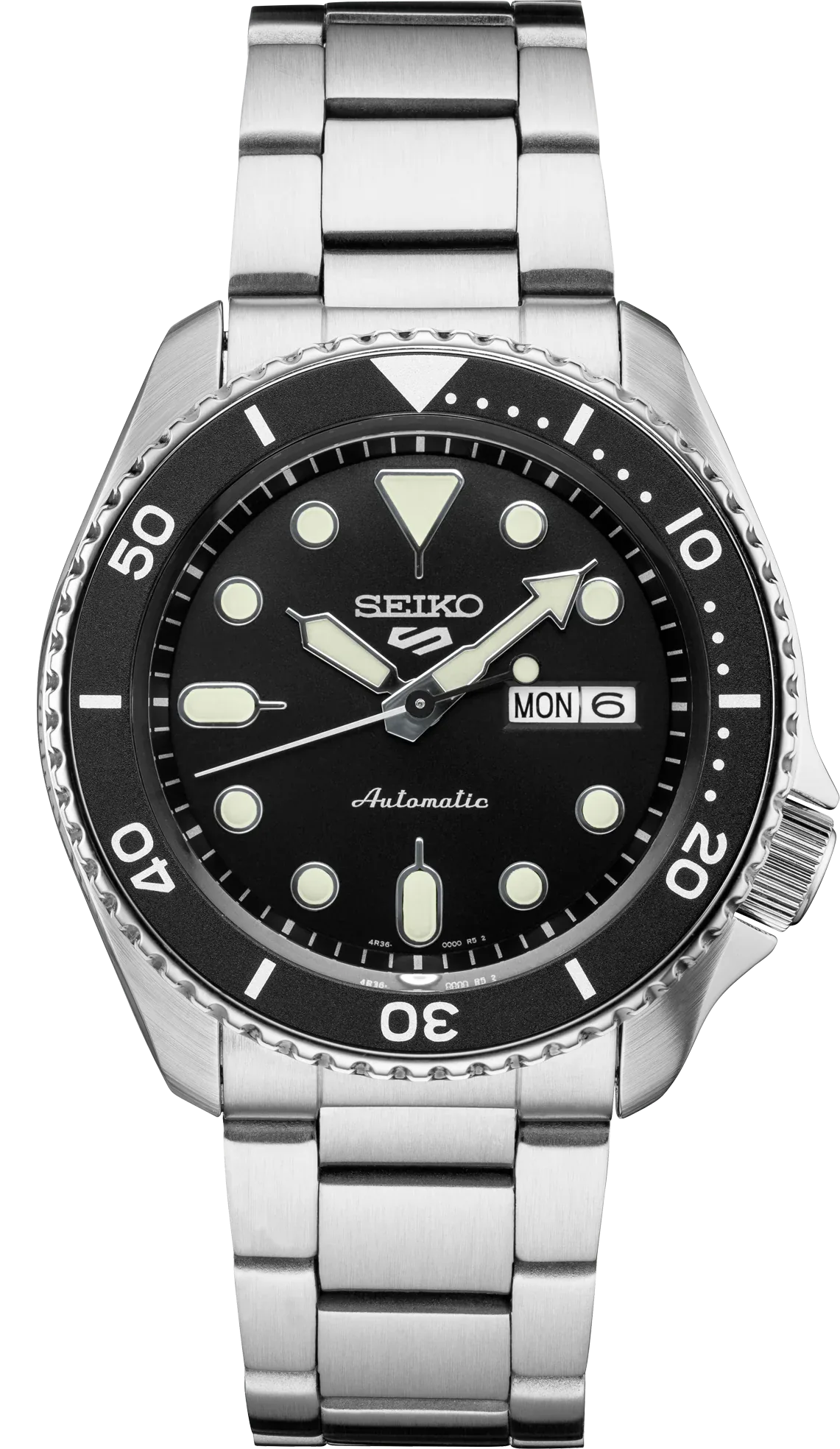
A beater is the watch you wear to the places you would never take the good one. The garage, the trailhead, the yard, the kitchen on the day you are cooking for twelve. It is not a lesser watch so much as a different job, and the job is simple: it should keep working while you stop thinking about it. That is a spec-sheet question as much as a taste question, and it is why this list looks different from the others on the site.
Start with what a beater is not. It is not the cheapest watch you can find, and it is not a watch you have been told is indestructible. We make no promise that any watch below will survive anything. What we can do is read the printed specification and tell you which numbers help. A battery that lasts years, or no battery at all. A water resistance rating that is printed on the dial or the page. A crystal that is either sapphire or a mineral we are willing to name. A case that is not so thick it catches every doorframe. And a price low enough that a scratch is an annoyance rather than an event.
That last point does most of the work. The honest definition of a beater is a watch whose price lets you wear it carelessly. Every pick here sits between $18 and $350 at street prices, and the spread matters. At $18 to $25 you do not own a watch so much as you rent a convenient object. At $350 you own something you will still want to protect a little. Where you land on that range is the real decision, and we will say so plainly as we go.
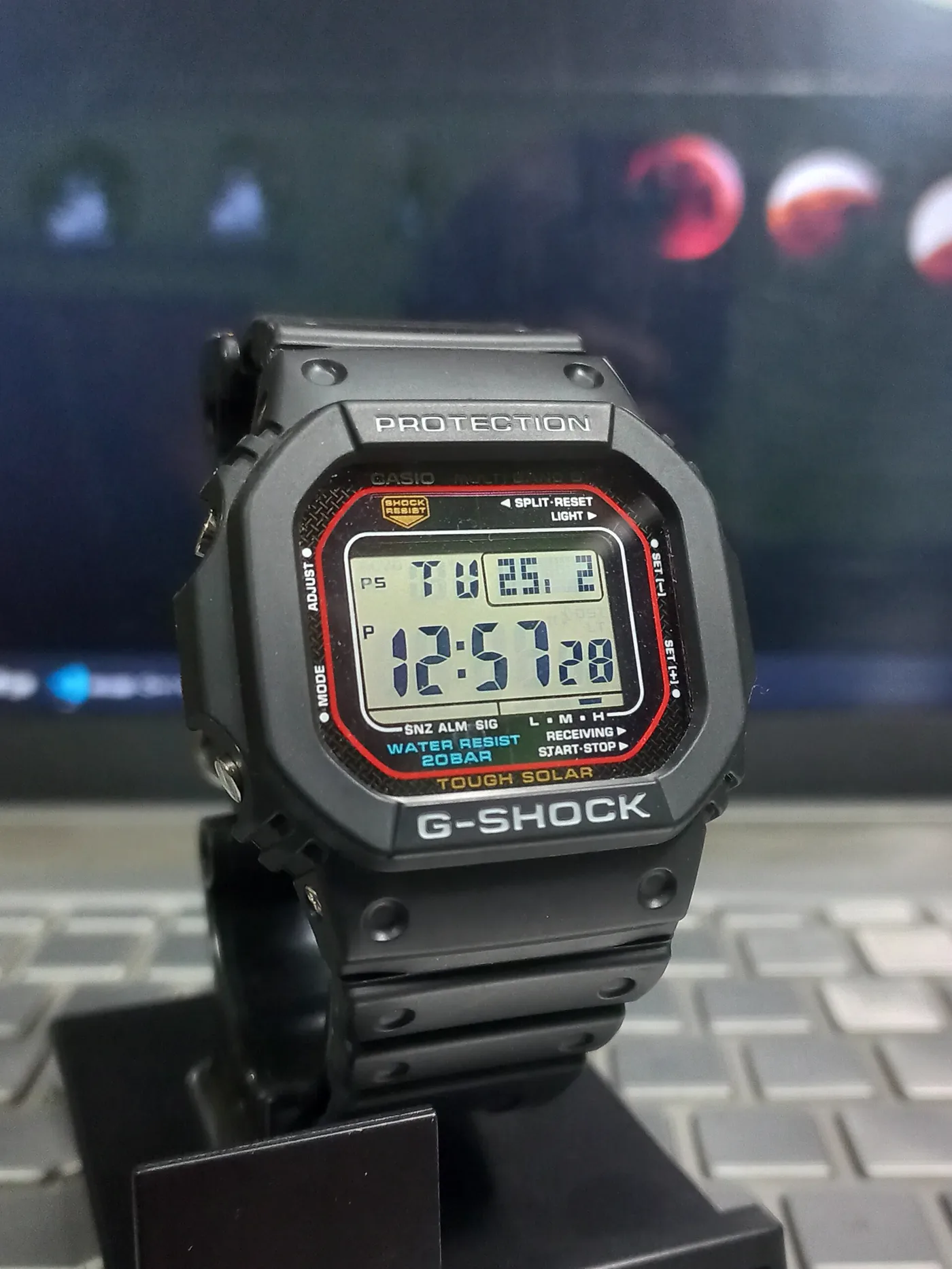
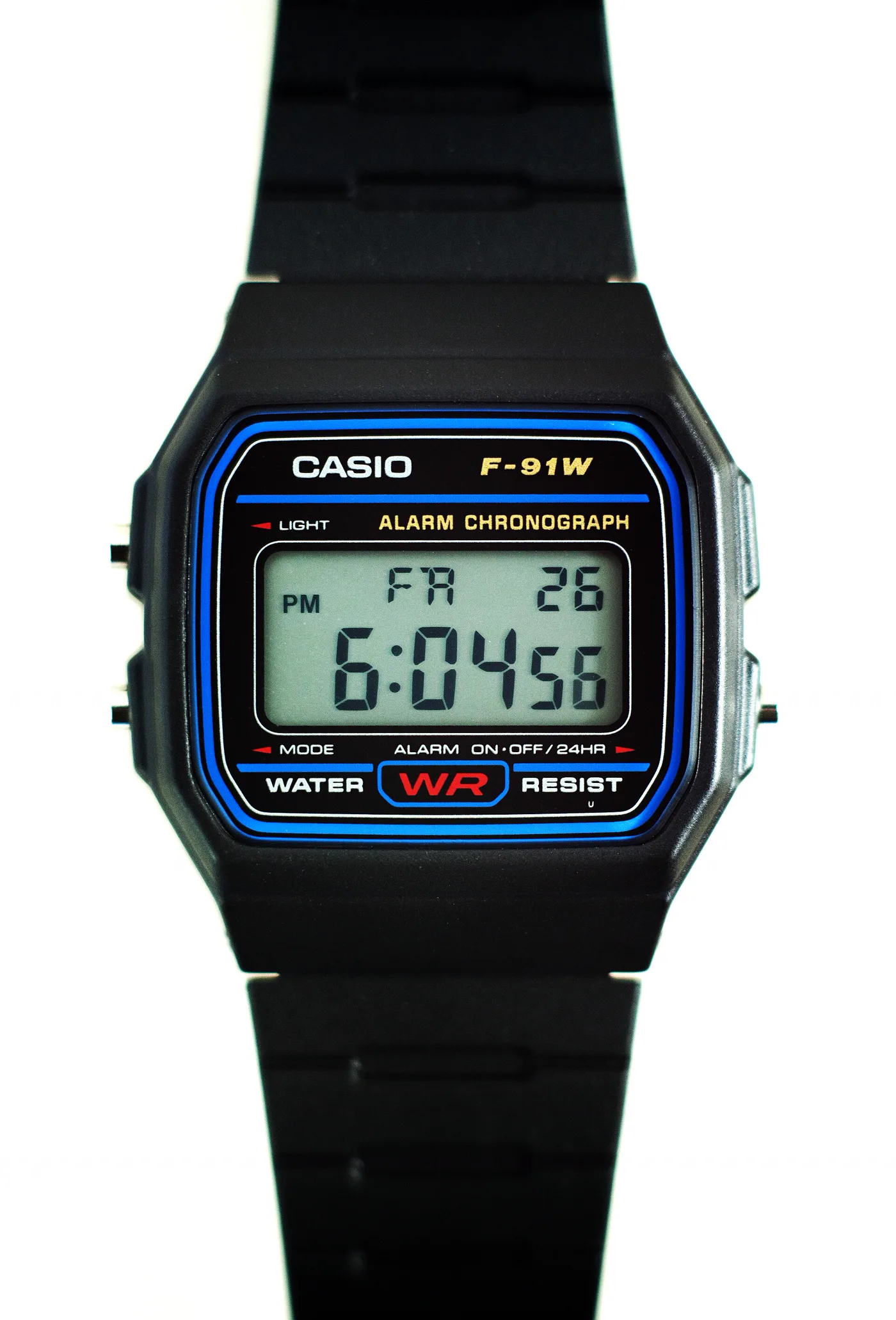
How the ranking works. This is not a ranking by hypescore alone. The hypescore is shown on every pick and it is the number the inventory gives us, but a beater is judged on a slightly different axis: how much does the spec sheet let you stop worrying. A high build score and a low price push a watch up. A big, heavy, or fussy watch pushes it down, even when its total is good. So the Casio G-Shock GW-M5610U sits at number one because it has the best total on the list, 88, and also the best argument for a careless life: solar charging, radio sync, 200m. The Casio F-91W, with a total of 67, ranks above watches that score higher because nothing else offers what it offers at its price.
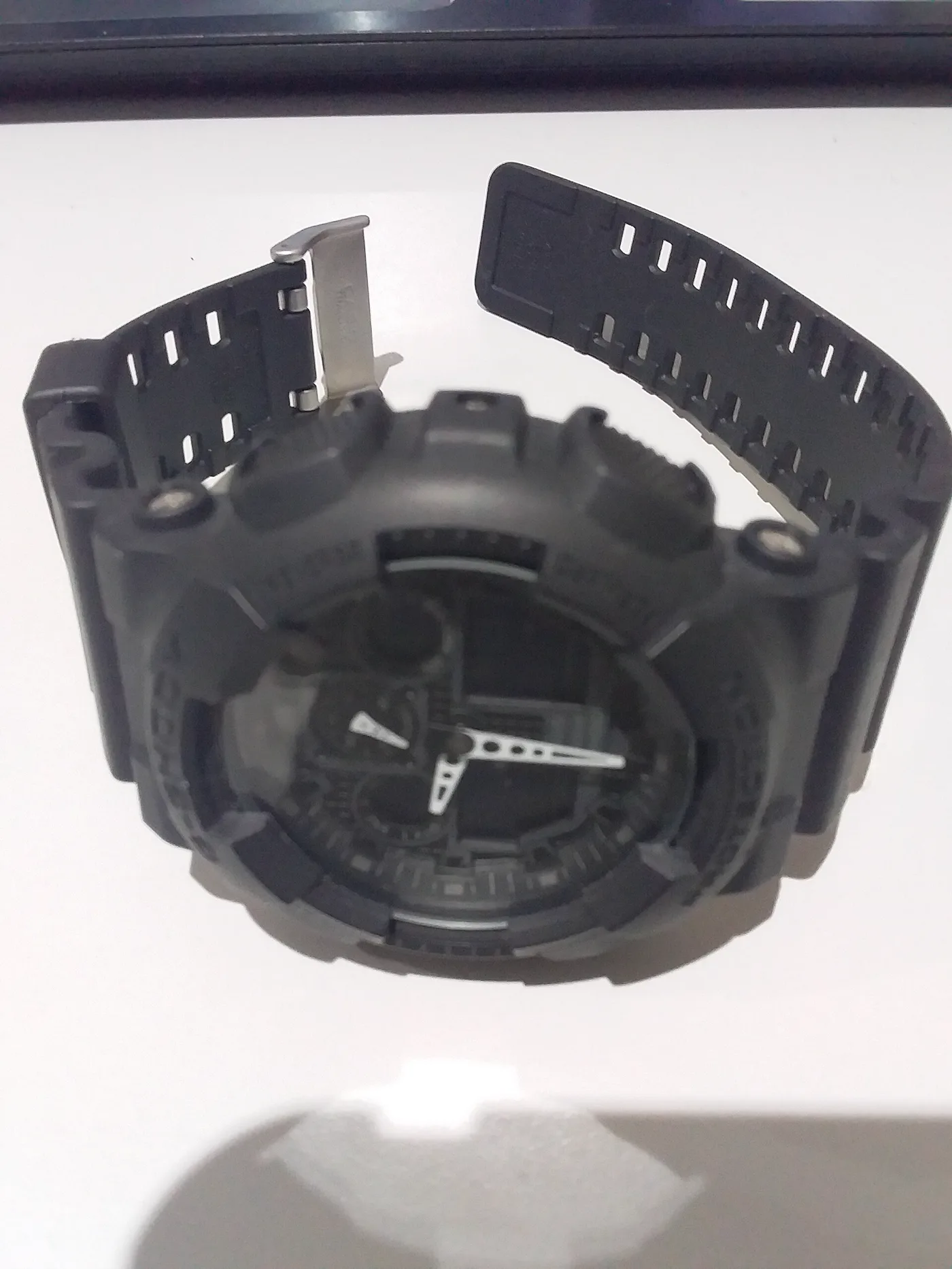
Quartz versus automatic, for a beater. The case for quartz is the simplest one in watches. It runs from a battery or, in the case of the solar G-Shock, from light. There is no reserve to manage. You do not wind it, you do not set it twice a week, and you do not return to it after a long weekend to find it stopped. The Casio F-91W runs on a CR2016 that Casio rates at about seven years. The GA-2100 takes two SR726W cells rated for about three years. The GW-M5610U has no battery to replace in the usual sense, since the cell is solar-charged, and the sheet says only that it runs for months from a full charge.
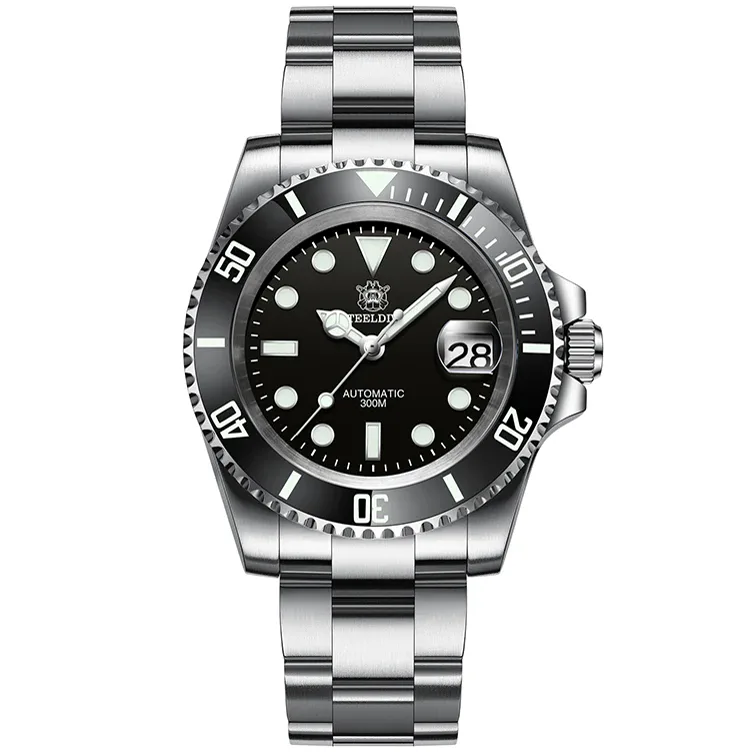
The case for an automatic is different and more emotional. A mechanical movement is a small piece of machinery that you can enjoy, and the two automatics here, the Steeldive SD1953 and the Seiko 5 Sports SRPD55, carry 41-hour reserves. That is a respectable cushion, but it also means that if you leave one in a drawer over a long weekend it will probably be stopped when you come back. For a beater that is a real cost, not a footnote. If you want to pick a watch up and have it be right, buy quartz. If you want a watch you can wear to work on the machine and then enjoy for the movement, buy the automatic and accept the reset.
Water resistance, read carefully. Printed ratings differ and they are not interchangeable. The F-91W is rated to 30m. The Seiko is rated to 100m. The G-Shocks are rated to 200m, and the Steeldive to 300m. We will not tell you what to do with any of those numbers beyond what is printed. What we will say is that the gap between 30m and 200m is the gap between a watch you wear and a watch you can stop wondering about, and for a beater that gap is worth a good deal. If your life involves a sink, a hose or a pool, look at the number before you look at the style.
Crystals. This is where the budget shows. The Steeldive SD1953 lists sapphire with an AR coating at about $140 to $150, which is the most striking line on the list. The Seiko lists Hardlex, which is a mineral crystal, and the GW-M5610U lists mineral. We will not call either scratchproof, because the inventory does not. The F-91W is listed as resin or acrylic in our source set with a note that Casio does not clearly publish the term, and the GA-2100’s crystal is simply not published in our verified source set. Where the sheet is silent, we are silent. If crystal material matters to you, the SD1953 is the answer the numbers give, and it costs about the same as the two G-Shocks.
Size, which is where beaters go wrong. A beater gets worn more often than the good watch, so it has to fit you. Our list spans a wide range. The F-91W is 35.2mm wide, 38.2mm lug to lug and 8.5mm thick. The Steeldive is 40.5mm without the crown, 13.3mm thick and 47.7mm lug to lug. The Seiko is 42.5mm, 13.4mm thick and 46.0mm lug to lug. The GA-2100 is 45.4mm and 48.5mm lug to lug but only 11.8mm thick. The GW-M5610U is 43.2mm wide, and Casio’s integrated resin case and band means there is no lug-to-lug figure to give you. Read these as a set. A 13mm-plus thickness is the number to be careful about on a small wrist, because a watch that snags on every cuff is a watch you will leave at home, which defeats the point.
Why the digitals win here. Three of the five picks are Casios, so it is worth saying why. They are not on the list because we are fans of plastic. They are on it because the things a beater needs are things a Casio does cheaply and by default. The F-91W has the best wearability score on the list at 23. The GW-M5610U has a build score of 24 and a value score of 25, which are the top figures in both categories among our picks. The GA-2100 posts a build score of 21 and a hypescore of 80 at roughly $100 to $130. If you only want to read the inventory, the Casio line is where careless wear is most thoroughly specified.
Why the SD1953 and the Seiko are still here. Not everyone wants a digital on their wrist. If you want a mechanical watch you can ignore, the SD1953 is the cheapest honest answer in the inventory: a 300m rating, sapphire, a 316L bracelet with a six-position micro-adjust clasp, and a hypescore of 82, for $139 to $149. The Seiko is the more established name, with a 4R36 that hacks and hand-winds, a 22mm lug width and a three-fold clasp with push-button release. It lists for roughly twice the Steeldive at the low end and more than that at the high end, and the sheet gives you less for it: 100m rather than 300m, and Hardlex rather than sapphire. You pay for the Seiko name and a movement that hand-winds and hacks, and that is a fair thing to pay for. It is not the right answer if you really are going to lose it.
What to skip, and why. Several watches in the inventory are tempting and wrong for this brief.
The Steeldive SD1969 and SD1975 are cheap and heavily rated, with 1200m and 300m respectively, but they are very large. The SD1969 is 56mm including the crown and 15.6mm thick, with a wearability score of 15. The SD1975 is 47.5mm without the crown and 15mm thick, with a wearability score of 16. A beater you cannot comfortably wear is just a box on a shelf.
The Pagani Design PD-1661 and PD-1671 are cheaper still, at $133 to $139 and $175 to $190, and list sapphire. But their hypescores are 70 and 68, with build scores of 16, and they are 13mm and 14mm thick. They are not terrible, but the SD1953 does more for the money and gets a better score.
The Citizen Promaster NY0086 has a hypescore of 88, a 200m ISO-compliant Diver’s rating and a mineral crystal, and it would be a fine beater if you want one. It is not here because its street band runs up to $395, which is a price at which people start protecting their watches. The Orient Kamasu has the same problem: a good watch, and a price that is too good for the job.
The Tudor Black Bay 58, the Rolex Submariner and the Omega Speedmaster are, of course, wonderful watches that belong in other guides. Wearing a $5,000 to $14,500 watch carelessly is a choice, not a strategy. We would not recommend it, and the inventory certainly does not.
Two honest warnings. First, a beater is only a beater if you actually wear it. If you buy the Seiko and then baby it because it cost $350, you have bought a worse version of your good watch. Choose the price at which you genuinely stop caring, and buy at or below that. For most people we suspect that price is under $150, which is why four of our five picks sit there or lower.
Second, be careful with the word “tough”. None of these watches is promised to survive a drop, a hammer or a night in a river. What the sheets promise is a set of ratings and dimensions. The G-Shock marketing will tell you more about toughness than we will, and we do not repeat it, because the inventory does not back it. What we can say is that the two G-Shocks carry the highest build scores of our picks, 24 and 21, and that the Steeldive carries a sapphire crystal at under $150.
Who should buy which. If you want the one answer and no argument, buy the GW-M5610U. If you want a mechanical watch you can ignore, buy the Steeldive SD1953 and keep a second strap in the glovebox. If you want the smallest, lightest, cheapest object that tells time and has an alarm, buy the F-91W and put it in a drawer next to the good one. If you want a Casio that looks a little more grown up and does not mind being 45.4mm, buy the GA-2100. And if you want a beater with a name on the dial that you would also wear to dinner, buy the Seiko, but know that at that price you may start babying it, and we will have failed you.
This guide launches with five picks and grows to eight. Five watches we can cite line by line beats eight we cannot, and a beater list padded with watches that are too big, too dear or too fragile on paper would be the one thing it should never be: a list of watches you have to be careful with.