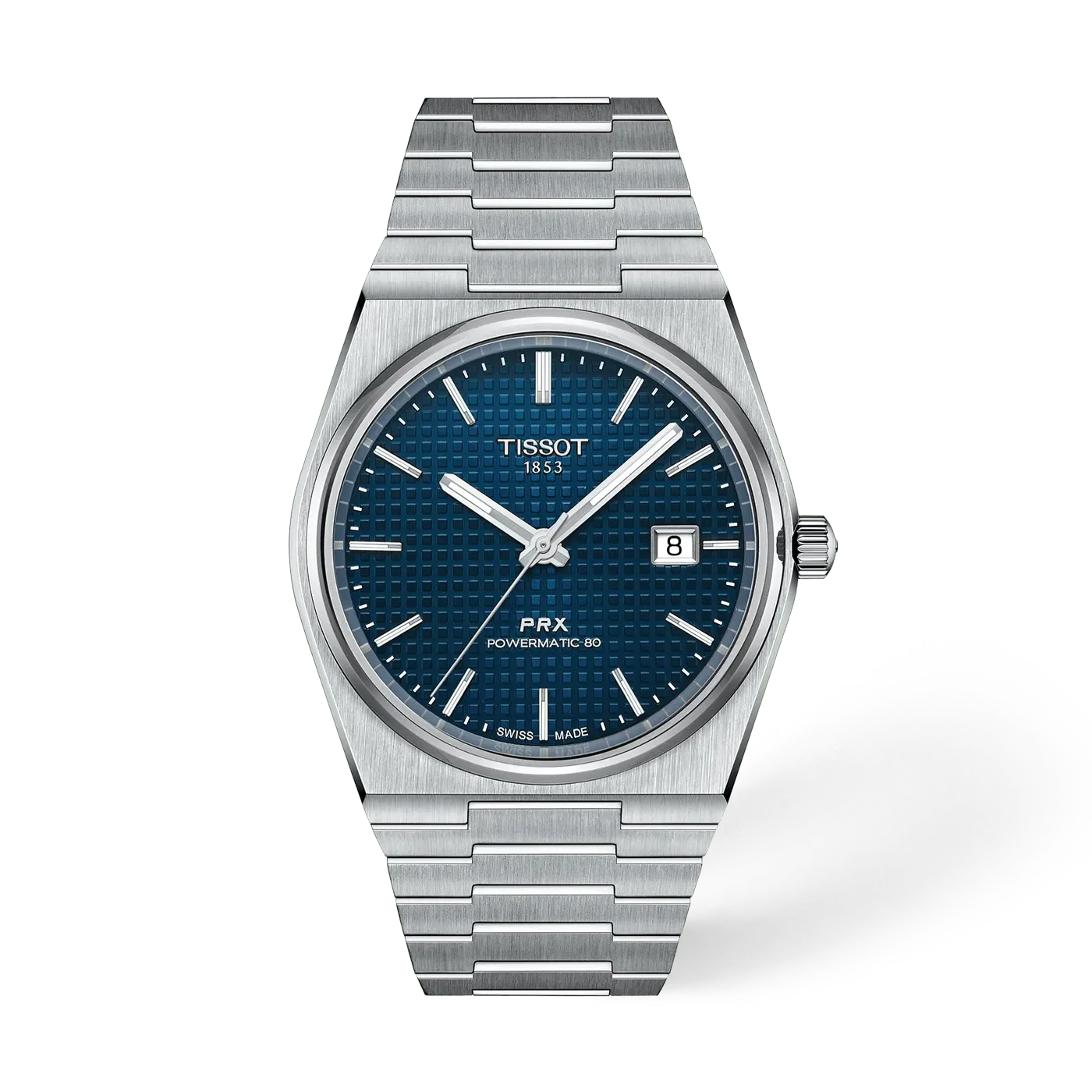
Most first-watch advice is really advice about the second watch. It tells you to buy something you will love for thirty years, which is a strange thing to ask of a person who does not yet know whether they prefer a bracelet to a strap, a small case to a large one, or a mechanical movement to a quartz one. You find that out by wearing a watch. So this guide is built around a different idea: a good first watch is one that survives your learning curve, tells you something true about your taste, and does not punish you for being wrong.
That shapes what we picked. Five watches, from $100 to $725, and none of them is a flex. Each has a published spec sheet we can cite, a Hypescore we can show, and a catch we are willing to print.
What a first watch actually has to do
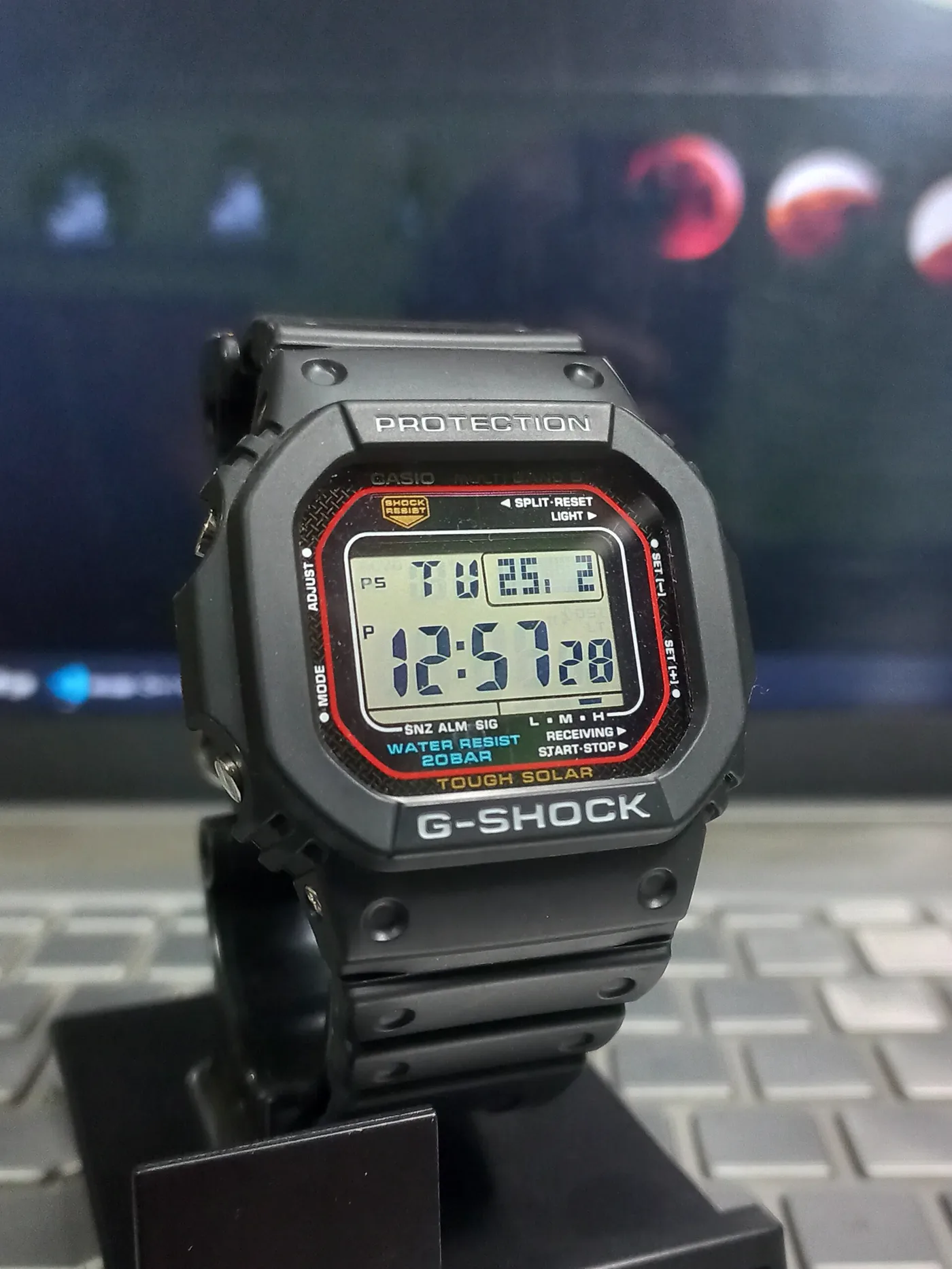
It has to be worn. That sounds obvious, but it is the whole test. A watch that sits in a drawer because it is too large, too delicate, too precious or too fiddly has failed regardless of what its spec sheet says. Wearability is one of the four sub-scores in every Hypescore for this reason, and it is worth looking at that number separately from the total. Across these five picks it runs from 18 to 21, which is a narrow band, and the two lowest are the two most opinionated designs: the G-Shock and the PRX’s integrated bracelet.
It has to survive a normal week. That means a crystal you do not have to think about, a water resistance rating you can read honestly, and a movement that does not demand a ritual. Pay attention to that last one. The Kamasu, Seiko and Bambino all list hacking seconds, and all three also list hand-winding. The Tissot sheet lists neither, and the Casio asks for nothing at all.
And it has to leave you with options. If you buy a $4,000 watch first and discover that you hate wearing it, the lesson cost you real money. If you buy a $250 watch first and discover the same, the lesson cost you a nice dinner. Every pick here sits well below the prices where finishing becomes the main thing you pay for.
Reading the spec sheet when you are new to it
You do not need to learn the whole vocabulary. Five lines carry nearly all of the information.
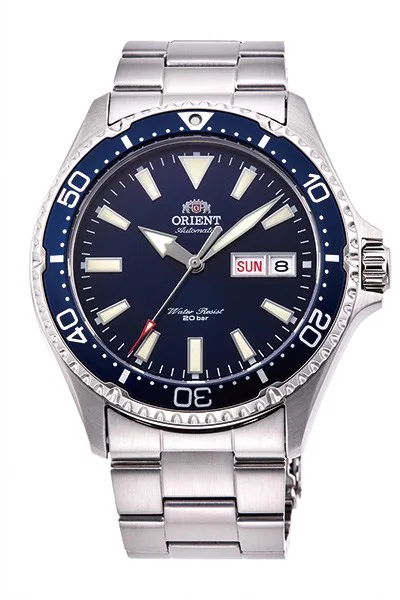
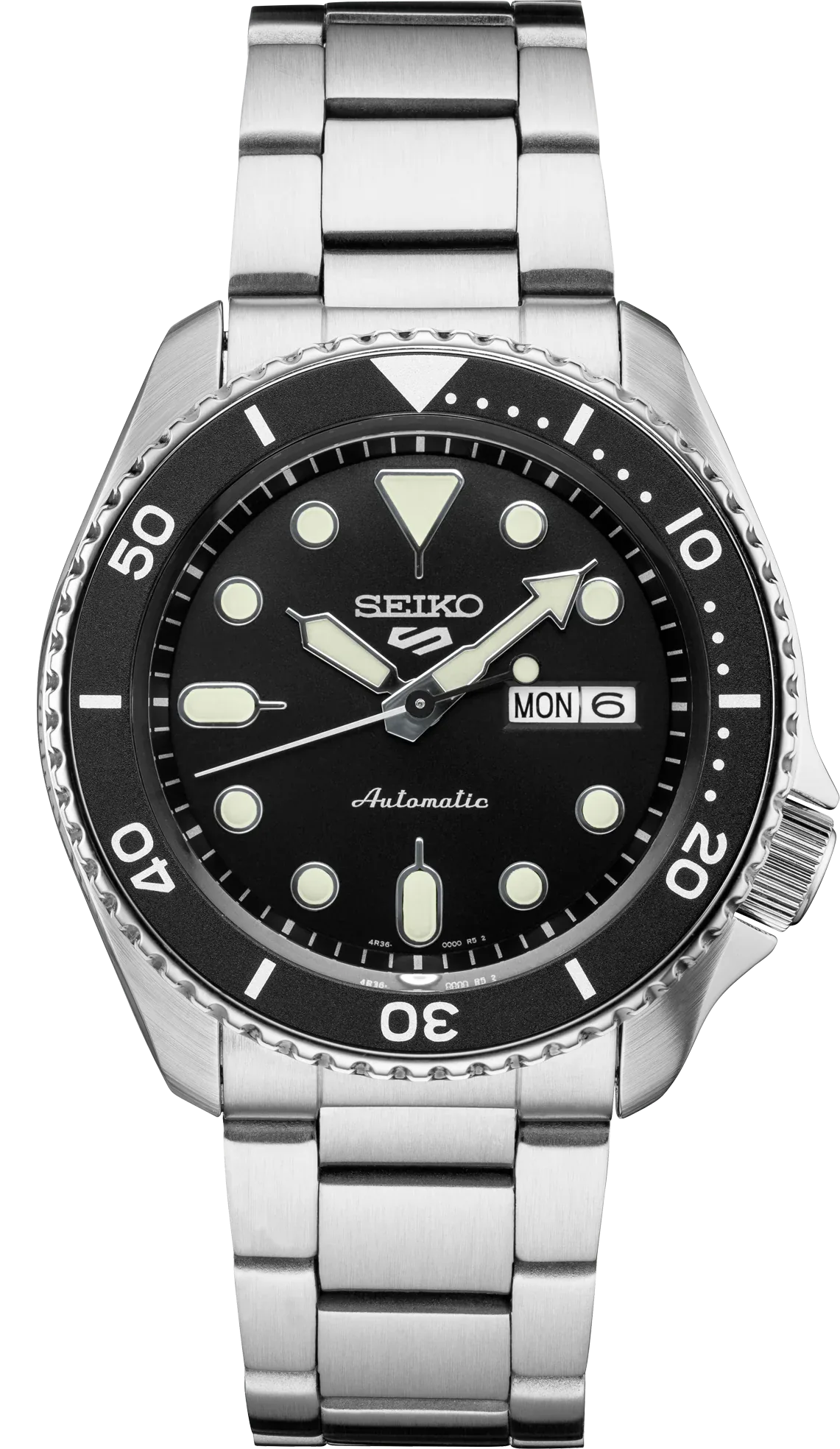
Case width, and then lug to lug. Case width is the number everyone quotes. Lug to lug is the number that decides whether the watch fits your wrist. Two watches with similar widths can sit very differently if one has long lugs. The Seiko 5 Sports SRPD55 is 42.5mm wide and 46.0mm lug to lug. The Kamasu is 41.8mm wide and 47.0mm lug to lug, so the narrower watch is actually the longer one on the wrist. When a lug to lug figure is missing, as it is for the Bambino and the Tissot PRX, which is integrated, we say so rather than guess.
Thickness. Thickness decides whether a watch slides under a cuff. The Kamasu is 12.8mm, the Seiko is 13.4mm and the PRX is 10.9mm. Those numbers are not good or bad. They are information about how the watch will behave when you put a jacket on. The Bambino’s thickness is not published in our verified source set, so we do not pretend to know it.
Movement. For a first watch, you are choosing between three families. Automatic movements wind themselves as you move. Hand-wound movements need a few turns of the crown. Quartz movements need nothing, or in the Casio’s case, sunlight. Each is a legitimate choice, and nothing in our inventory says one is better. What the sheet does tell you is the power reserve: the Tissot PRX lists 80 hours, the Seiko 41, the Kamasu approximately 40. A longer reserve means a watch you left on the shelf on Friday is still running on Monday.
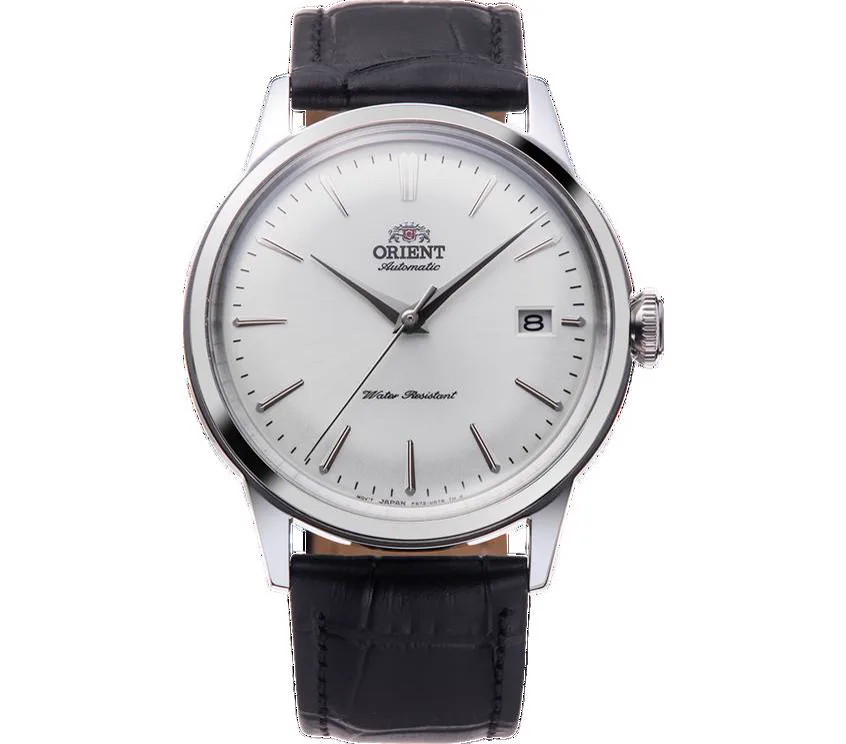
Crystal. Sapphire resists scratching. Mineral glass, which Seiko calls Hardlex, and the Bambino’s domed mineral crystal, are what you accept at lower prices. Neither pick with mineral glass here is hiding it; the catch says so. If you are rough on your things, weigh this more heavily than almost anything else on the sheet.
Water resistance. Read the number as printed and leave it at that. The Kamasu and Casio list 200m, the Seiko and Tissot 100m, and the Bambino 30m. Those are the manufacturers’ ratings, and they tell you the relative standing of the watches. We make no claim here beyond the figure on the sheet.
Where the trade-offs sit
The first trade-off is size against versatility. The Bambino at 38.4mm is the only watch on this list under 40mm, and it is the one that most clearly suits a dress code. The other four run 40mm to 43.2mm. If you have a smaller wrist, the Bambino and the 40mm Tissot are your natural shortlist. If you have a larger wrist, the Kamasu and the Seiko will look right immediately.
The second is finish against price. The Tissot PRX is $650-725 and the Seiko is $280-350. For the extra money you get sapphire, an integrated steel bracelet with a butterfly clasp, and an 80-hour reserve. Whether that is worth it depends on how much of the difference you will notice at arm’s length every day. The Hypescore says the step is modest: 84 against 80. That is a gap, but it is not a chasm, and the Seiko scores 22 for value against the PRX’s 23.
The third is mechanical character against zero upkeep. Four of these five are mechanical. The fifth is the Casio, and it is the highest scorer on the page. That is not a mistake in the ranking. It is the honest result of a watch that scores 21, 24 and 25 in its first three categories. If you do not care about the mechanism, the Casio is the answer and you can stop reading. If you suspect you might care, the other four are the way to find out cheaply.
What to skip, and why
Skip the temptation to buy the most capable watch on the sheet. A 200m rating on a watch you wear to a desk is not wasted, but it is not the reason to pick it either. The Kamasu earns its top spot because the whole package is even, not because of one number.
Skip anything where the sheet is mostly blank. Several watches in our inventory publish very little: the Swatch Sistem51, for instance, lists a 90-hour reserve and a movement, and almost nothing else in our verified source set. That is not a reason to think badly of it. It is a reason not to recommend it as a first purchase when you cannot see case width or water resistance. A first watch should be one you can research to the end.
Skip the idea that you need a bracelet and a strap and a second strap and a tool for changing them. The Bambino comes on a leather strap and the Seiko and Kamasu on steel. Buy it as supplied, wear it for three months, and then decide what you want to change.
And skip the grail watches for now. Our inventory includes watches priced from $3,900 to well over $10,000, and they are interesting. They are also the wrong place to learn your taste. The Hypescore for those watches tends to carry a low value sub-score precisely because you are paying for something other than function. That is fine for a fifth watch. It is a poor first lesson.
Who should buy which
If you want one good watch and you will wear it with everything, buy the Kamasu. It has the most balanced sheet of the five and the second-highest Hypescore, and it asks you to compromise on nothing but size.
If you want something cheaper and a little more compact on the wrist than the numbers suggest, the Seiko 5 Sports is the pragmatic route. Accept the Hardlex crystal and you get a steel bracelet automatic for under $350.
If your life involves a collar, the Bambino is the pick. It is the smallest, it is the cheapest of the mechanical picks and it is the one with the best value score. Its limits are real, with a 30m rating and a mineral crystal, and they are printed above.
If you want to be done with the whole question, buy the Casio. The only reason it is ranked fourth and not first is that this is a guide about learning what you like, and the Casio teaches you less about that than a mechanical watch does. As a watch, it is the strongest on the page.
If you already know you are going to keep this one and have the budget, the PRX is the step up, and the one with the longest reserve on the page.
The plan
This guide launches with five picks and grows to eight. We would rather publish five watches we can cite line by line than eight we cannot. If you buy one of these and it turns out not to suit you, that is the process working. You now know a number you did not know before, whether it is a lug to lug figure, a preference for a bracelet or a dislike of a dome, and the next watch you buy will be a better one for it.
Buy the one whose catch you can live with. That is the whole method.