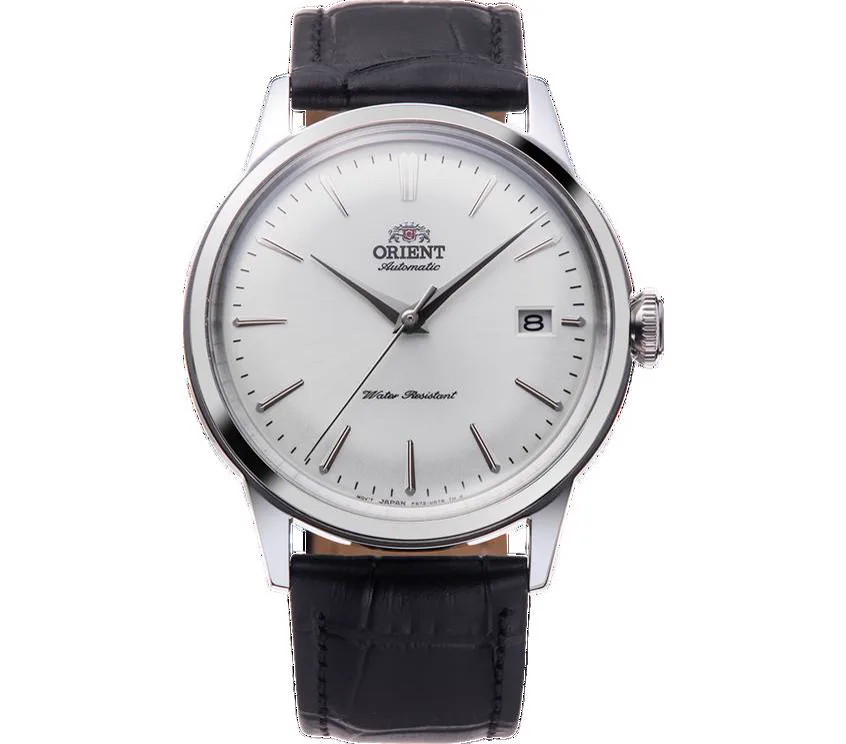
A wedding is an odd test for a watch. It is not a hike, a dive or a commute. It is twelve or fourteen hours in formal clothes, in front of cameras, with a jacket sleeve that has to close over your wrist and a lot of hands to shake. Most of the usual buying arguments, water resistance, lume, bezel grip, simply do not come up. What matters instead is how thick the case is, how plain the dial is, what kind of strap it sits on and whether the whole thing looks like it belongs with a suit.
That narrows the field fast. From the inventory, five watches clear the bar, and the list is not padded to reach a round number. The full range runs from $180 to $6,900. Each pick carries its catch underneath, because a guide that only lists strengths is an advertisement with a ranking on top.
What the day actually asks of a watch
Start with thickness, because it decides more than anything else. A dress watch is supposed to slip under a cuff. The Tank Must is 6.6mm thick, which is the thinnest figure in the entire inventory. The Junghans max bill is 10.0mm, the Seiko Presage is 11.8mm and the Grand Seiko Snowflake is 12.5mm. Those are real differences on a wrist wearing a shirt with a fitted cuff, and the spec sheet lets you see them before you try anything on. Where a brand does not publish thickness, as with the Orient Bambino 38, we say so rather than guess.
Next is case diameter. Every pick here is between roughly 33 and 41mm, and four of the five are 38.5mm or under in their main dimension. A wedding outfit is cut close, and a smaller case leaves cleaner lines. This is not a universal rule. A 41mm Grand Seiko wears with authority on the right wrist. But the dress watches that look most at home with a tuxedo or a morning suit tend to sit in the high 30s, and the inventory bears that out.
Then the strap. Four of the five picks arrive on leather or calfskin. The Grand Seiko is the exception, with a titanium bracelet and a push-button folding clasp. Leather matches shoes and belts, and a quick-release spring bar, which the Presage has, makes it easy to swap the strap before the day and keep the original for after. Lug width is worth knowing for that reason. The Presage takes a 20mm strap. The Bambino’s supplied strap is 21mm, a size to check before you order a spare, and Junghans does not publish its lug width in our source set.
Where the money goes
This guide has the widest price spread on the site, and it is worth being honest about what each tier buys.
At $180 to $260, the Orient Bambino 38 gives you a proper automatic movement, a hacking and hand-winding F6724, a domed crystal and a dress profile. The crystal is mineral and the water resistance is 30m. That is the whole compromise, and for a single day in a ballroom it is a small one.
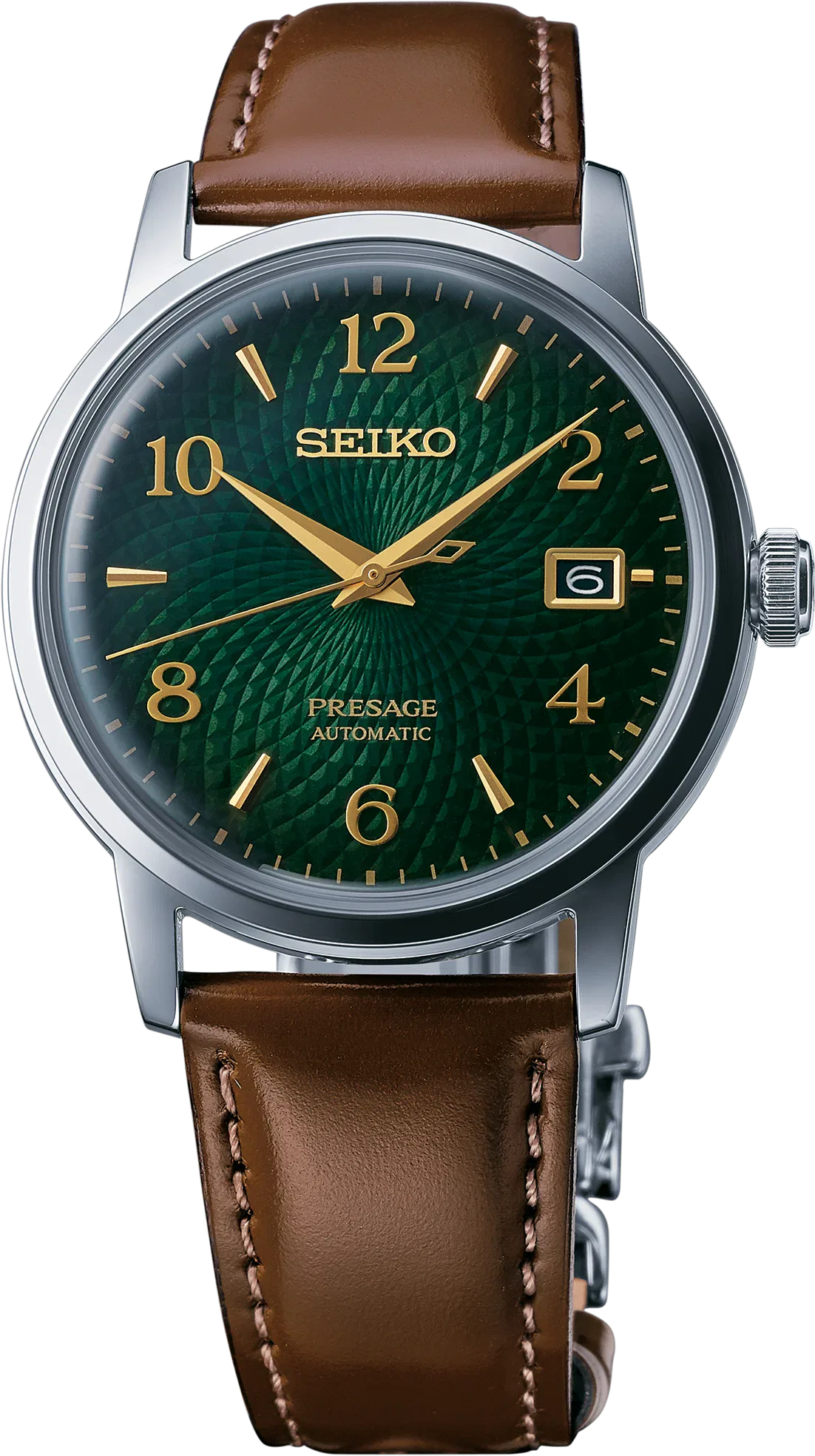
At $380 to $450, the Seiko Presage Cocktail Time adds a more distinctive dial, a slightly larger case at 38.5mm and a published set of dimensions: 11.8mm thick, 45.4mm lug to lug, 20mm lug width. It is still mineral, Seiko calls the crystal box-shaped Hardlex, and the 50m rating is not a diver’s rating. It is a dress watch with a dress watch’s limits. But it is the highest-scoring cheap watch here for a reason, and its 81 hypescore is the same as the Orient’s.
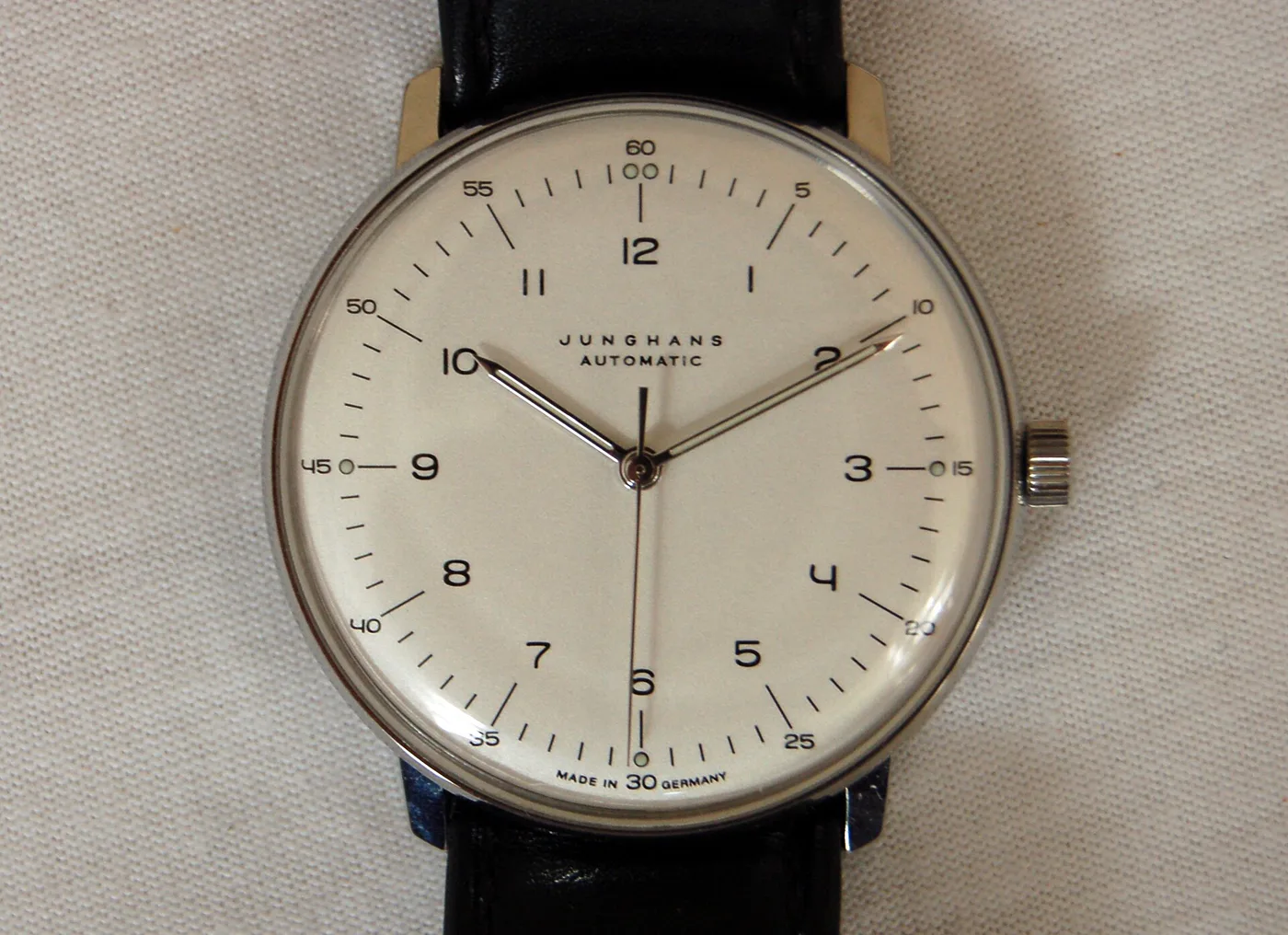
At $1,595 to $1,695, the Junghans max bill is where the conversation changes. You get a domed sapphire crystal, a 25-jewel J800.1 that hacks and hand-winds, and the weight of a design that has hardly moved in decades. You also pay a premium for the name and the history. Its value subscore is 15 against the Orient’s 24, which tells you what the extra thousand and some dollars is for: design, not function.
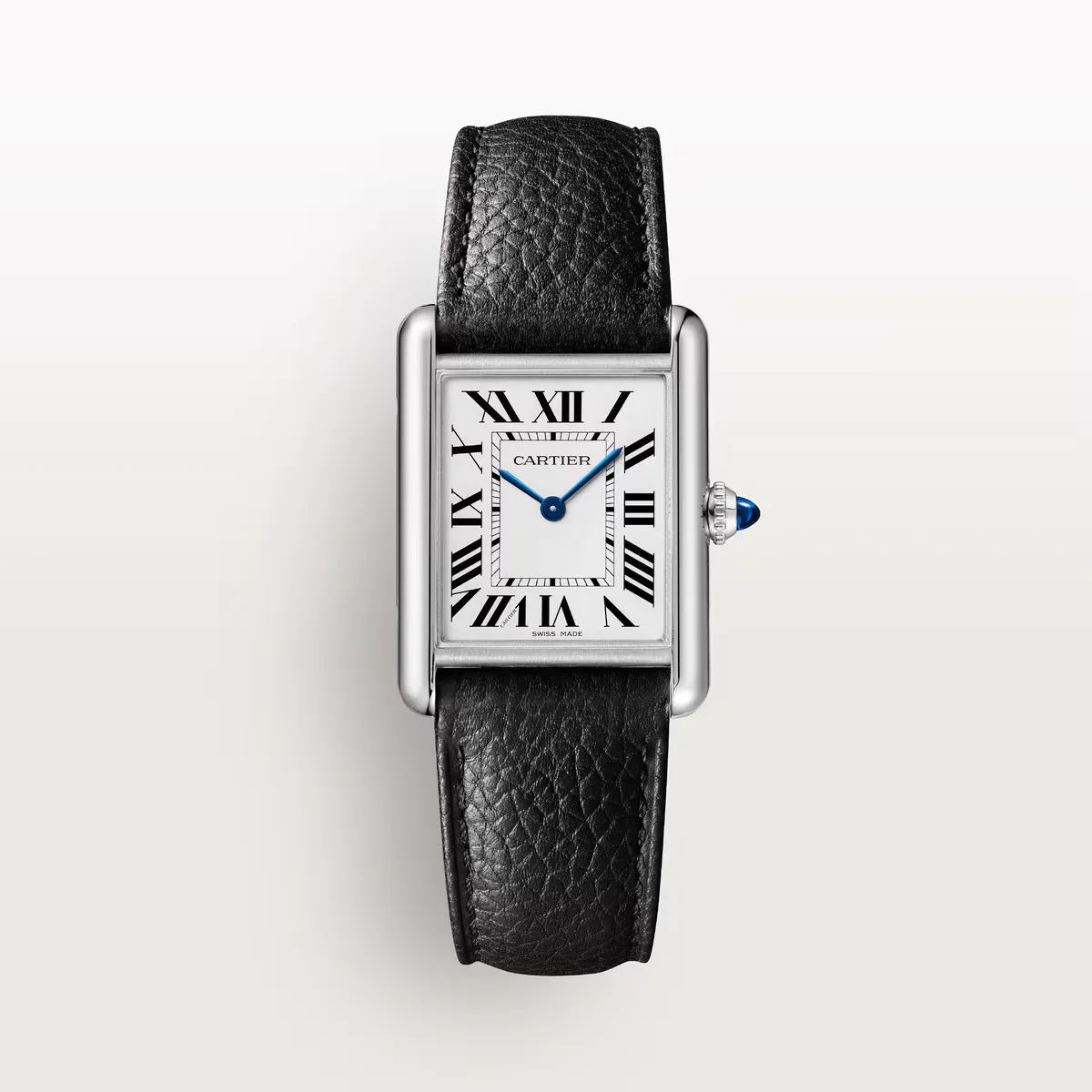
At $3,900, the Cartier Tank Must buys a shape. There is a lot of design in a rectangular case and very little in the movement, which is quartz. It is the best argument in this guide for buying a thin watch for its own sake. It is also the weakest on value, at 13.
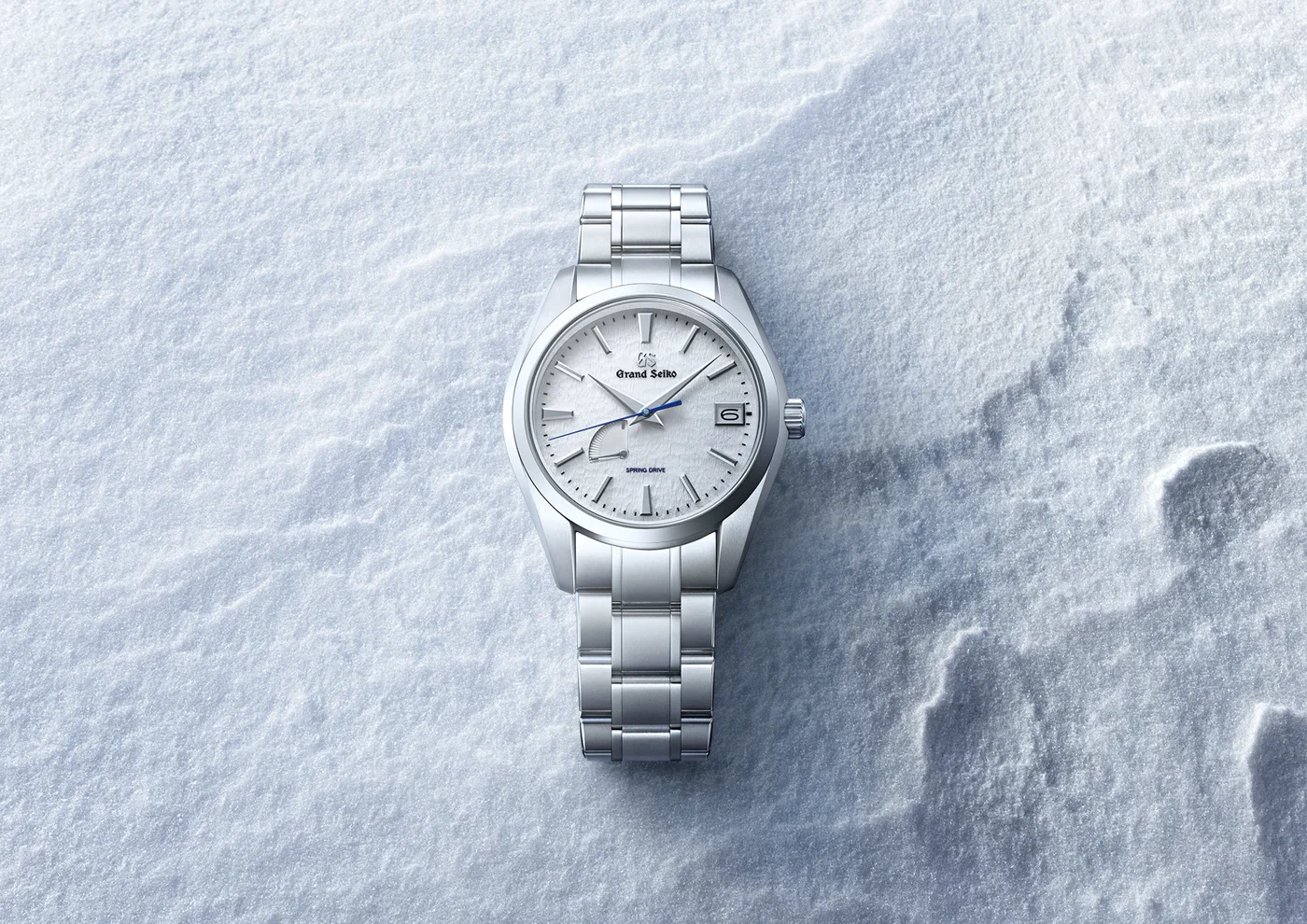
At $6,795 to $6,900, the Grand Seiko Snowflake SBGA211 buys the best movement in the guide, a hypescore of 25 on that subscore alone, along with a 72-hour power reserve, a titanium bracelet and a dual-curved sapphire crystal. The overall score of 83 is the highest of the five. The value subscore of 14 is the second lowest. That is what the top of a category looks like: the best parts, at a price that the parts do not fully explain.
How to read the spec sheet for a wedding
A few lines on the sheet matter more here than they do elsewhere.
Hacking and hand-winding. Watches that let you stop the seconds hand when you pull the crown and wind by hand are easier to set to the minute, and easier to start from cold on the morning of the wedding. The Presage, the Junghans and the Orient all list both. The Grand Seiko lists automatic with hand-winding. The Tank Must is quartz, so winding is not a question at all.
Power reserve. If the watch sits in a drawer for a week before the wedding, it will have stopped. A 72-hour reserve, like the Grand Seiko’s, means a full weekend. The Junghans lists 38 hours and the Presage about 41, so both want winding or a few hours on the wrist the morning of. The Tank Must runs from light, with a figure of about 24 months per full charge on the current version, and that is the lowest-maintenance answer here. We do not state a reserve for the Bambino because Orient does not publish one.
Crystal. Sapphire resists scratches, and a wedding involves tables, doors, car doors and sleeves. The Grand Seiko and Junghans list sapphire. The Presage and Bambino use mineral. The Cartier lists a square-shaped glass without naming the material in our source set. None of this will matter on the day itself for most people, but it will matter over the next ten years.
Water resistance. This is the line to ignore for a wedding, other than to read the printed rating once and move on. The numbers are 30m on the Bambino and the Tank Must, 50m on the Presage, 5 bar on the Junghans and 100m on the Grand Seiko. The Junghans is the one that says in plain words it is not rated for swimming, and that is useful to know. We make no further claims about what any of them will survive.
What we left out, and why
This part of the guide is as important as the picks, because a wedding is a day when the obvious choice is often the wrong one.
The divers did not make it. The inventory is full of good ones, from Citizen, Seiko, Orient, Baltic, Traska and Lorier, and several are excellent watches. But a dive watch is a sports watch, and those that publish a thickness run from about 12.7mm upward. The Baltic Aquascaphe Classic is 13mm thick, and its standard strap is rubber. Strong watches, wrong occasion. If you only own a diver and want to wear it, that is a choice you can make, and we are not here to stop you, but it is not a pick.
The chronographs did not make it either. The Omega Speedmaster Professional is a hypescore 83 watch with a 13.54mm case and a Hesalite crystal, and it costs between $6,650 and $7,800. It is a wonderful watch. It is not a dress watch, and it sits at a similar price to the Grand Seiko we did pick. The Bulova Lunar Pilot is 45mm and sits on a NATO strap. The Seagull 1963 is 14.5mm thick. None of them belongs under a cuff.
The cheaper dress watches in the inventory did not all make it. The Pagani Design PD-1752 is a 36mm dress watch for $140 to $165, with a Seagull ST16, a sapphire crystal and a president-style steel bracelet, but it is 14mm thick, which is thicker than the Grand Seiko, and its hypescore is 69. The Timex Marlin Hand-Wound is a 34mm, 10mm thick watch at $239 to $259 on an 18mm leather strap, but its hypescore is 70 and it has an acrylic crystal and 30m of water resistance. It is a charming watch and a fine choice for a small wrist, and it came close. The Swatch Sistem51 has a 90-hour power reserve and a $190 to $300 band, but Swatch does not publish its case size, water resistance, crystal or strap in our source set, and we will not recommend a watch whose size we cannot print.
The nearest miss is the Tissot Gentleman Powermatic 80. It is a 40mm, 11.5mm thick dress watch with an 80-hour reserve, a sapphire crystal and a steel bracelet with a butterfly clasp, and it scores 80 at $700 to $950. On paper it fits the middle of this guide well. It lost its place because its two nearest neighbours already cover that ground: the Presage is a hypescore point higher for much less, and the Junghans is a smaller, simpler design. If you want a bracelet rather than a strap and have nearer $900 than $400, it is the next one to look at.
The Tissot PRX Powermatic 80 and the Christopher Ward The Twelve are integrated-bracelet watches, which have their own guide. Both are good. Neither is what most people mean when they ask for a wedding watch.
Who should buy which
If you want one answer, buy the Seiko Presage Cocktail Time. It is cheap enough that nobody needs to think about the price, the case dimensions are fully published, the strap is the right material and it is a better watch to look at than its price suggests.
If the watch is a gift, whether from a partner, a parent or an employer, and the budget is not a question, the Grand Seiko is the most complete watch on this list. It scores highest, has the longest mechanical reserve and is the only one with a bracelet. Accept that you are paying for the quality of the whole, not for a bargain.
If you wear a suit often and want one watch for all of it, the Junghans max bill is the most versatile of the group. Its dial has nothing in it that dates it.
If your cuffs are tight, or you do not want to wind or charge anything, buy the Cartier. It is the thinnest watch we can list, it runs from light and you can leave it alone.
If you need to buy several, for groomsmen or for a couple of guests, buy the Orient. It is the one watch here where buying three would not be a statement of any kind.
What to do before the day
A few practical notes that the spec sheet does support. Check the lug width before you order a spare strap: it is 20mm on the Presage, 21mm on the Bambino per its supplied strap, and the Junghans and Cartier figures are not published in our source set. Check that the watch fits under the cuff you will actually wear, rather than the cuff you own. Wind or charge it the day before if it needs it. And put it on a few days early, so that you know how it sits on your wrist before it is photographed.
Last, a word on the catches. The Presage has a mineral crystal, the Grand Seiko is a thick case, the Junghans is not rated for swimming, the Cartier has the weakest value score and the Bambino publishes the least. None of those would change our order, and none is a reason to skip the watch. They are the places where the price shows, and a wedding is a day when you will be glad to have known exactly where.
This guide launches with five picks and grows to eight. Five watches we can cite line by line beats eight we cannot.