A dress watch is defined by what it declines to do. It has no rotating bezel, no chronograph pushers and no rubber strap. It has hands, a dial, a slim case and, more often than not, a leather strap. That makes the spec sheet strange to read, because the numbers that sell most watches are not the ones that matter here. Water resistance, in particular, turns out to be a footnote. The numbers that matter are millimetres, and what the dial is trying to say.
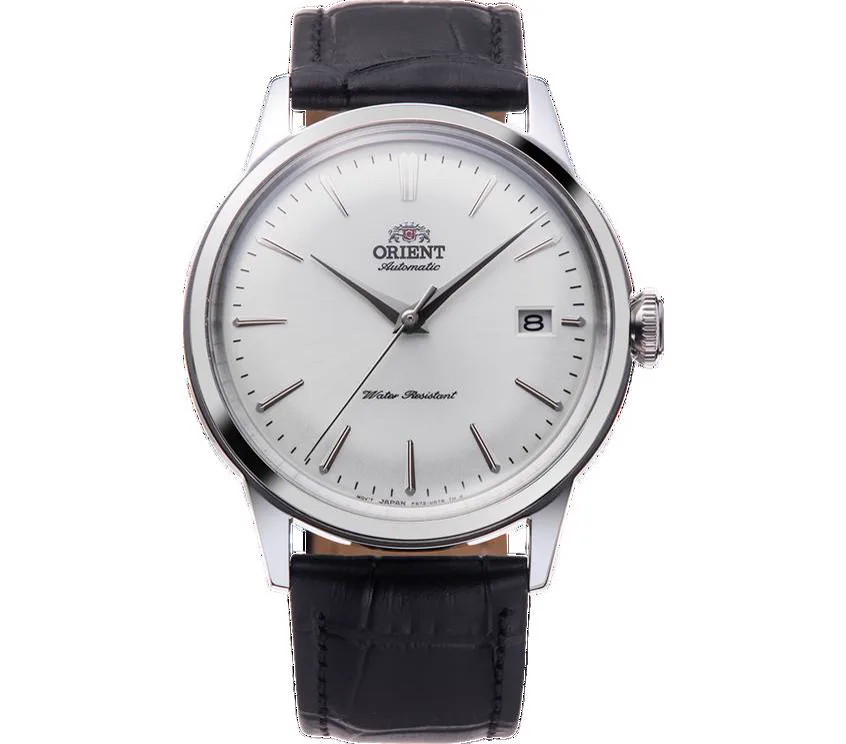
This list is ranked by the value score inside each watch’s hypescore, from 24 down to 13. That is deliberate, and it has an uncomfortable consequence: the order runs almost exactly from cheapest to most expensive. Orient sits first at $180 to $260 and Cartier sits last at $3,900. Rank one is not a verdict that the Orient is the finest watch here. It is a verdict that it asks the least of your money for the job. The highest overall hypescore, 83, belongs to the Grand Seiko, at $6,795 to $6,900. Read the number next to the price, not instead of it.
Thickness is the first figure to look for. Of the six, Cartier publishes the thinnest case at 6.6mm, Junghans comes next at 10.0mm, then Tissot at 11.5mm, Seiko at 11.8mm and Grand Seiko at 12.5mm. Orient does not publish a thickness at all in the sources we can verify, which is a gap you should know about before you buy. A thin case is what lets a watch slip under a cuff, but we are not going to tell you what a cuff does. The sheet does not say, and we do not invent. What we can say is that the Cartier and the Junghans are slim in the figures, and the Grand Seiko is not.
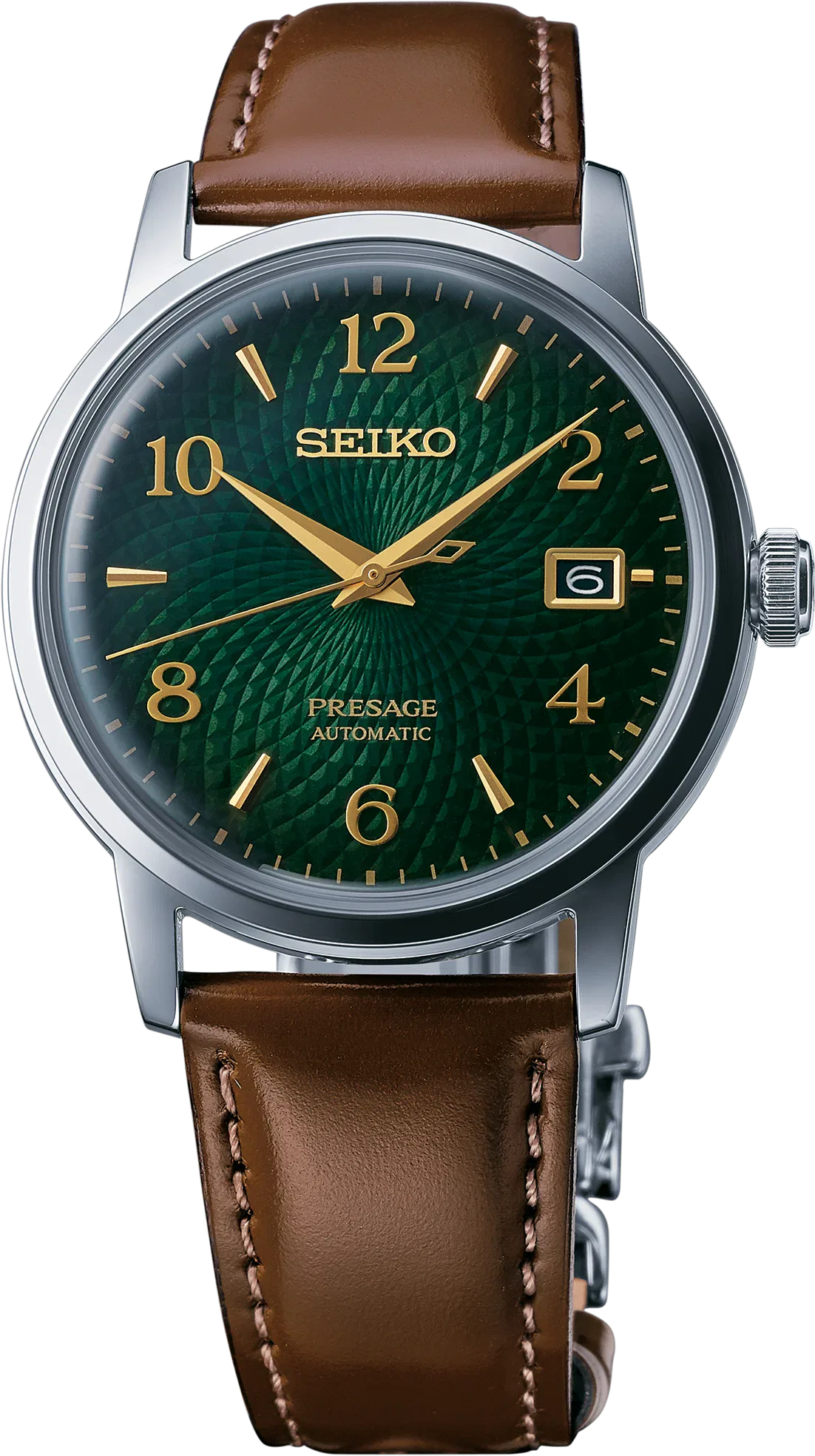
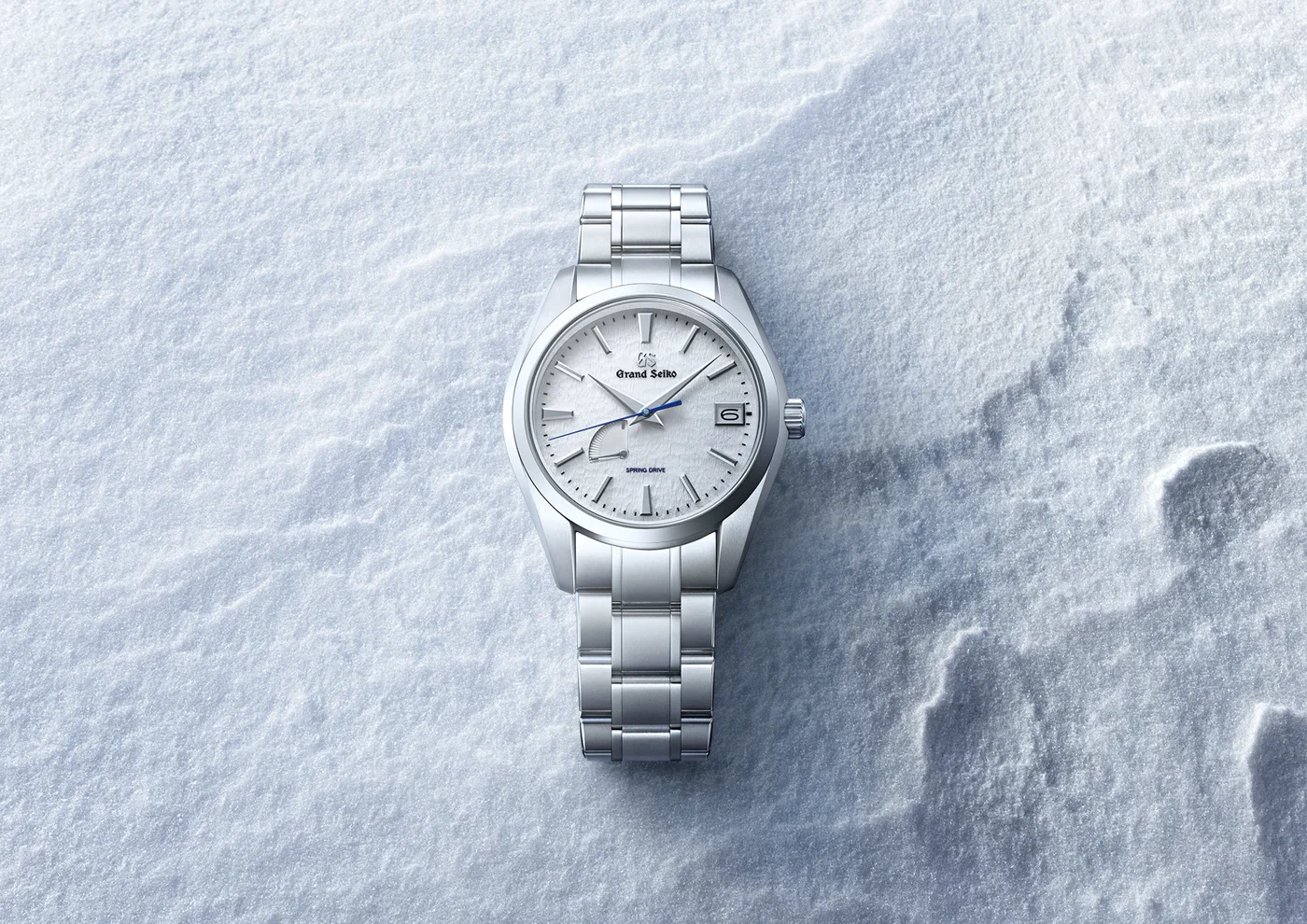
Lug-to-lug matters more than diameter and is published less often. Seiko gives 45.4mm for the Presage and Grand Seiko gives 49.0mm for the Snowflake. Tissot, Junghans and Orient publish none. Cartier’s 33.7mm length includes the integrated lugs, so it does not publish a separate figure either. If you have a small wrist, the Snowflake at 41.0mm and 49.0mm is the one to try on first before you commit, and the Presage, at 38.5mm and 45.4mm, is the pick where the numbers tell you the most.
The crystal is where the budget shows itself. Orient uses domed mineral. The Presage uses box-shaped Hardlex, which Seiko describes as mineral and not sapphire. Tissot, Junghans and Grand Seiko all use sapphire, and Junghans and Grand Seiko both curve it. Cartier describes its glass only as square-shaped and does not say what it is made of. None of this is a defect. A domed crystal is part of why the Orient and the Junghans look the way they do, and the mineral ones will collect scratches. But it is a real line on the sheet, and it is one of the places where the price steps are visible.
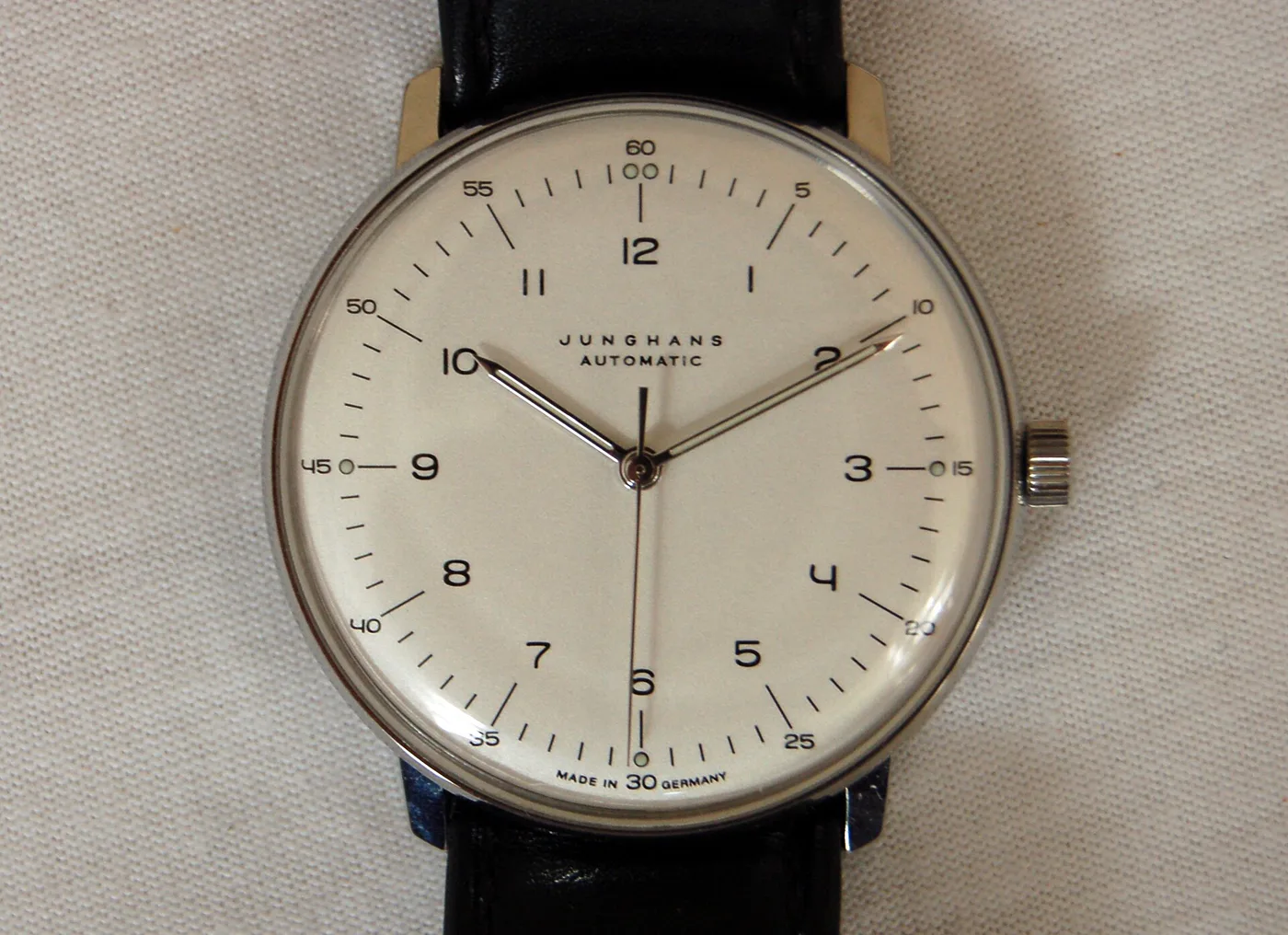
Water resistance is the number a dress watch reader should hold most loosely. The ratings printed are 30m for the Orient, 50m for the Presage, 100m for the Tissot and the Grand Seiko, 3 bar or about 30m for the Cartier, and 5 bar for the Junghans. That last one is the only entry where the maker tells you what the number means: rain and splash resistant, not rated for swimming. We are not going to translate the others into advice. The printed rating is the claim. Everything else would be our guess.
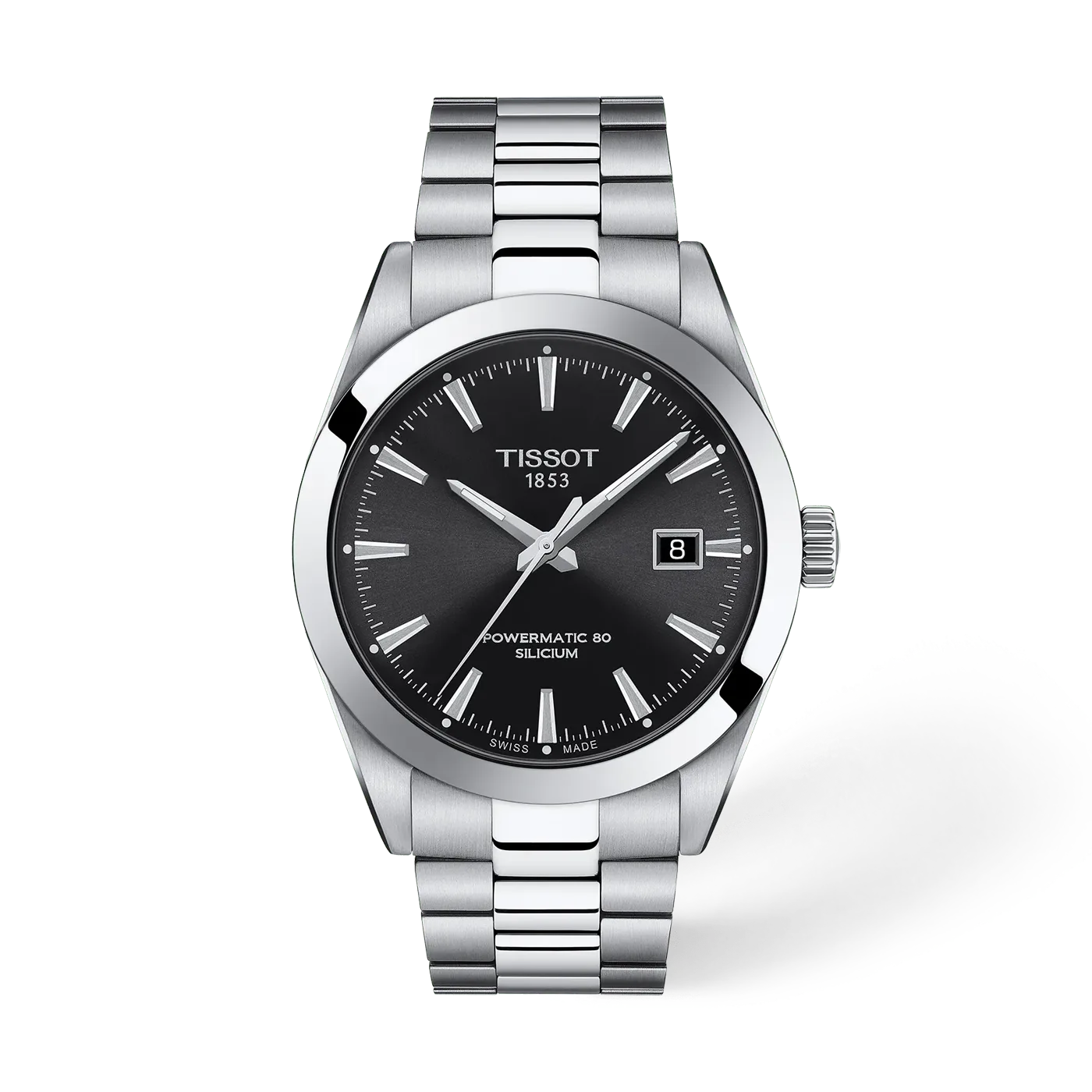
Movements are where this category gets its personality. Three of the six, the Orient F6724, the Seiko 4R35 and the Junghans J800.1, hack and hand-wind. That is not a trivial thing to find in a dress watch, because it lets you set the time exactly and wake the watch up by hand after it has sat in a drawer. Tissot’s Powermatic 80 offers an 80-hour reserve with a silicon balance spring. Grand Seiko’s 9R65 is a Spring Drive, a different kind of movement altogether, with a 72-hour reserve, and it carries the highest movement score on the list, 25. The Presage runs approximately 41 hours and the Junghans 38 hours. Orient does not publish a figure.
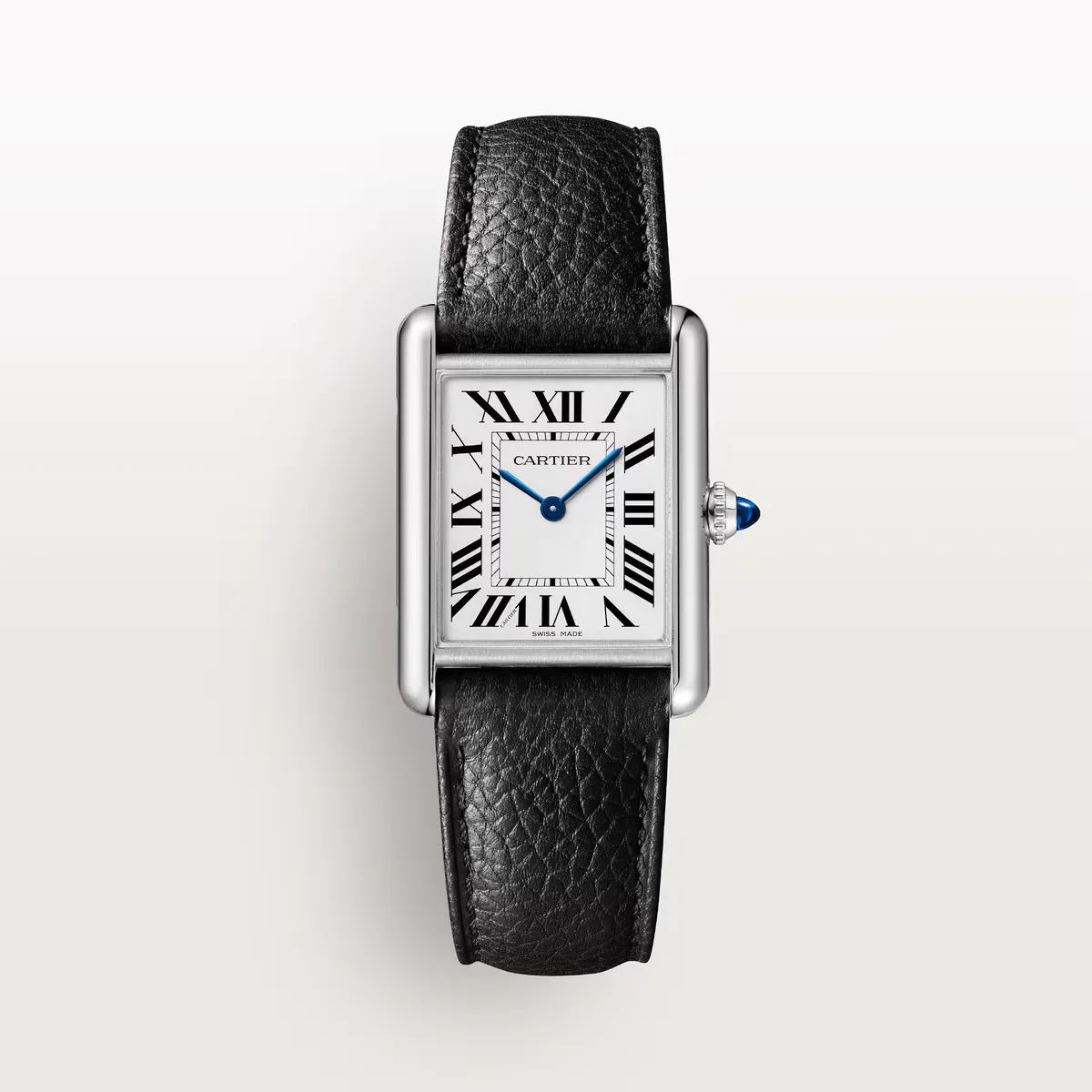
Then there is the odd one out. The Cartier Tank Must has no mechanical movement. SolarBeat is photovoltaic quartz, with about 24 months of running per full charge on the current version, sold since November 2024, and a battery unit rated for 16 years or more before replacement. For a watch whose whole argument is elegance, that is a reasonable engineering choice, and it also means the Cartier is the only pick you will never wind. Whether that is a virtue or a loss depends entirely on what you like about watches. It is also why it sits last: at $3,900 it carries a value score of 13, the lowest of the six.
Straps and bracelets are the other half of the character. Orient, Seiko, Junghans and Cartier ship on leather. The Seiko’s is cow leather, 20mm, with quick-release spring bars. The Junghans comes on black leather with a steel pin buckle, and the Cartier on black calfskin with a steel ardillon buckle. Only the Tissot and the Grand Seiko come on steel, and the Grand Seiko’s is titanium, with a folding clasp and a push-button release. If you want a dress watch that also works on a bracelet, those two are your shortlist. The Tissot’s butterfly clasp has push-buttons and the Grand Seiko’s folding clasp has a push-button release.
Who should skip which. If you want a bracelet, the Tissot or the Grand Seiko are your only options, because the other four ship on leather. If you want a sapphire crystal for under $500, this list has no answer, because both picks below that line use mineral. If you want to swim, none of these is a watch we would point you at on its own printed numbers, and we are not going to say more than that. If you resent winding, the Cartier is the only choice here that asks nothing of your hands.
A word on value. A score of 24 for the Orient does not mean it is the equal of the Grand Seiko. It means the Orient delivers a great deal for the money you hand over, and it does so while hacking, hand-winding and sitting at 38.4mm. The Grand Seiko’s 14 does not mean it is a bad buy either. It means that a watch with a movement score of 25 and a titanium bracelet costs a lot, and the sheet knows it. Different questions, different answers. The ranking answers only the first one.
What we left off, and why. The Timex Marlin Hand-Wound is a 34mm, 10mm thick hand-wound watch with a 40-hour reserve, a domed acrylic crystal and an 18mm leather strap, at $239 to $259. It scores 70, and the Orient scores 81 for a similar price. The Pagani Design PD-1752 is a 36mm dress-style watch with a Seagull ST16 and a steel president-style bracelet at $140 to $165, but it is 14mm thick, which sits oddly with the whole premise of the category, and it scores 69. The Swatch Sistem51 has a 90-hour reserve and a $190 to $300 band, but Swatch’s case size, water resistance and crystal are not published in our verified source set, and we will not recommend a watch whose spec sheet we cannot read.
The Baltany 1926 Oyster Tribute is listed as a microbrand piece with a 36mm case and leather strap, and it is not classed as a dress watch in our inventory, so we left it out as well. We prefer an honest short list to a padded long one.
How to use the hypescore on a list like this. Each total is built from four sub-scores: movement, build, value and wearability. On this list the totals sit close together, between 71 and 83, while the prices run from $180 to $6,900. That gap is the whole story of the category. Read as a trend, the extra money buys finish and movement score, not a different kind of watch. The Grand Seiko’s build score is 23 against the Orient’s 19, and its movement score is 25 against 19. Those are real differences on the sheet. They are not a price gap of that size in the scores.
The wearability scores are the quietest argument in the table. The Cartier, the Presage and the Snowflake score 21, the Tissot and the Junghans 20, and the Orient 19. Put plainly, no pick here is a bad watch to wear. The things that separate them are crystal, movement and finish, and the first thing to decide is which of those you will actually notice on your wrist on a Tuesday.
If you are buying your first dress watch, start with the Orient or the Presage. Both are 38mm class cases with leather straps, both hack and hand-wind, and both cost less than the cheapest sapphire-crystal pick. If the sapphire matters to you, move up to the Tissot, which also gives you the 80-hour reserve. The Junghans is the one to buy because of the design and not the spec sheet, and its sheet is honest about that: a value score of 15, a 38-hour reserve and a rain-and-splash rating, wrapped around a very specific piece of Bauhaus restraint. Buy the Grand Seiko when the movement is the point. Buy the Cartier when thinness and not winding are the point.
A last note on the figures. Every number in this guide comes from the maker’s published specification or from the retailer prices we use to set the street band, and where a maker does not publish a figure we say so and leave the gap open. Thickness for the Orient, lug-to-lug for three of the six and a crystal material for the Cartier are all missing, and no amount of confidence from us would fill them honestly.
This guide launches with six picks and grows to eight. Six watches we can cite line by line beat eight we cannot.