Most buying guides start from a use case that makes a watch sound exciting. This one starts from the least exciting and most common use case there is: you put the watch on in the morning and you take it off at night, and in between you do whatever the day contains. A meeting, a train, a school run, a hardware store, a flight. No single one of those needs a particular watch. All of them together need a watch that does not get in the way of any of them.
That changes what the spec sheet is for. On a dive watch or a chronograph, the headline numbers are the point. On an everyday watch, the headline numbers are a ticket to entry and the real decisions sit in the small print: how thick the case is, how far the lugs reach, whether you can swap the strap, whether the watch needs winding before you can wear it, and what the maker chose not to tell you.
What the ceiling really buys
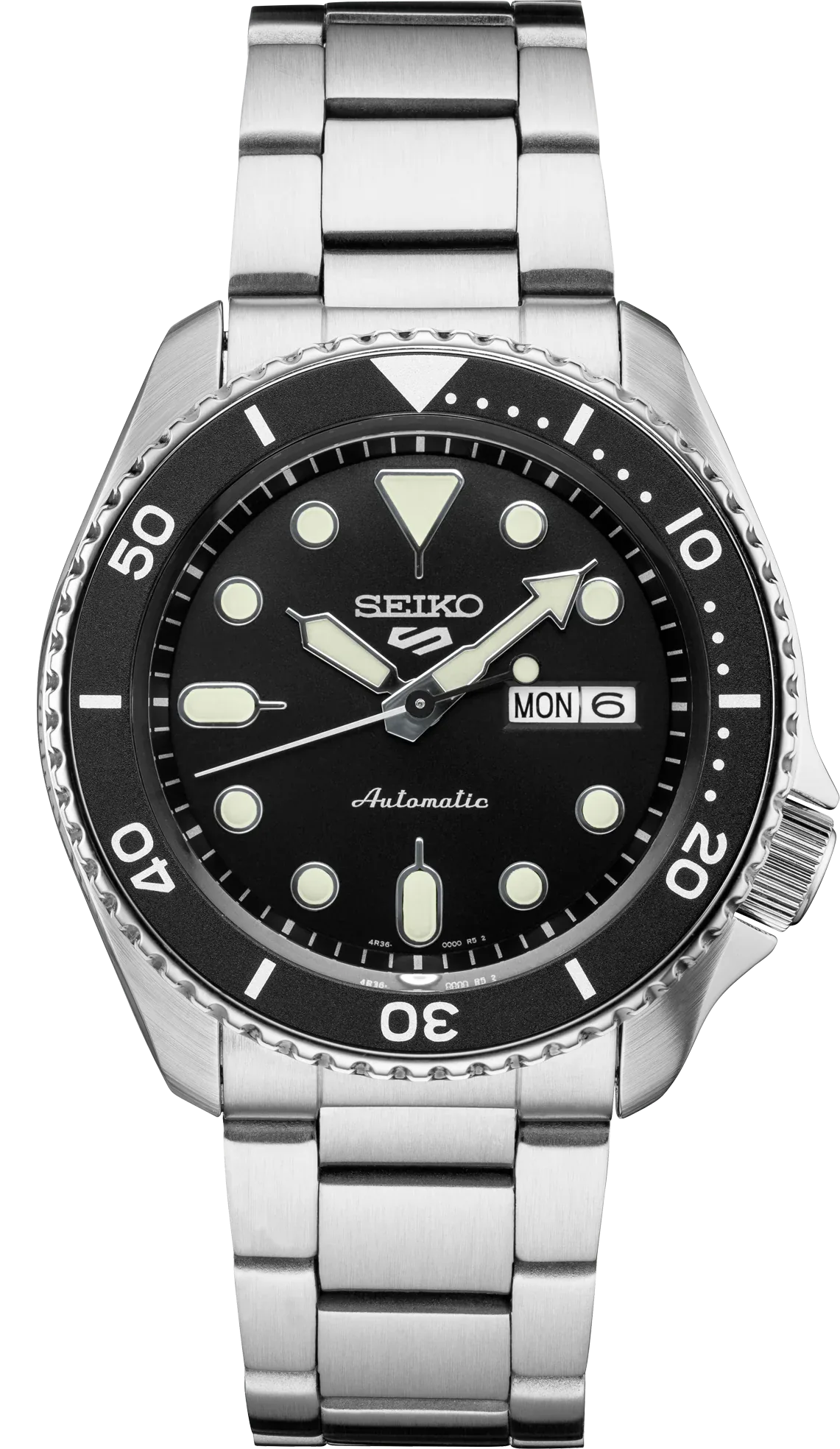
There is no price cap on this guide, so it is worth being plain about what a bigger budget does and does not change. Our five picks run from $100 to $735, and the price ladder does not map neatly onto the hypescore ladder. The cheapest watch here holds the highest total, 88. The most expensive holds a total of 86. The Seiko, in the middle of the price range, holds 80.
That is not an accident of this selection. The hypescore weighs movement, build, value and wearability, and value is the line that rewards the cheap end. What the extra money buys across this list is easy to name. It buys a sapphire crystal where the Casio and the Seiko have mineral or Hardlex. It buys a nicer bracelet and clasp. It buys a thinner case in the Tissot’s instance, and a longer power reserve. It does not buy anything that makes the day easier for the Casio to get through, which is why the Casio is ranked first.
If you are weighing a cheaper pick against a dearer one, ask which of those things you would notice in a week. A scratch-resistant crystal shows its worth over years, not days. A clasp with micro-adjustment shows its worth the first time you wear the watch on a warm afternoon and again on a cold morning. A power reserve shows its worth every Monday.
Size is the first filter
Case diameter is the number everyone looks at first, and it is the least useful on its own. A 40mm case with 48mm of lug to lug can wear larger than a 42mm case with a shorter lug span, and the inventory shows exactly that kind of spread across these picks. Here is what we have, as printed:
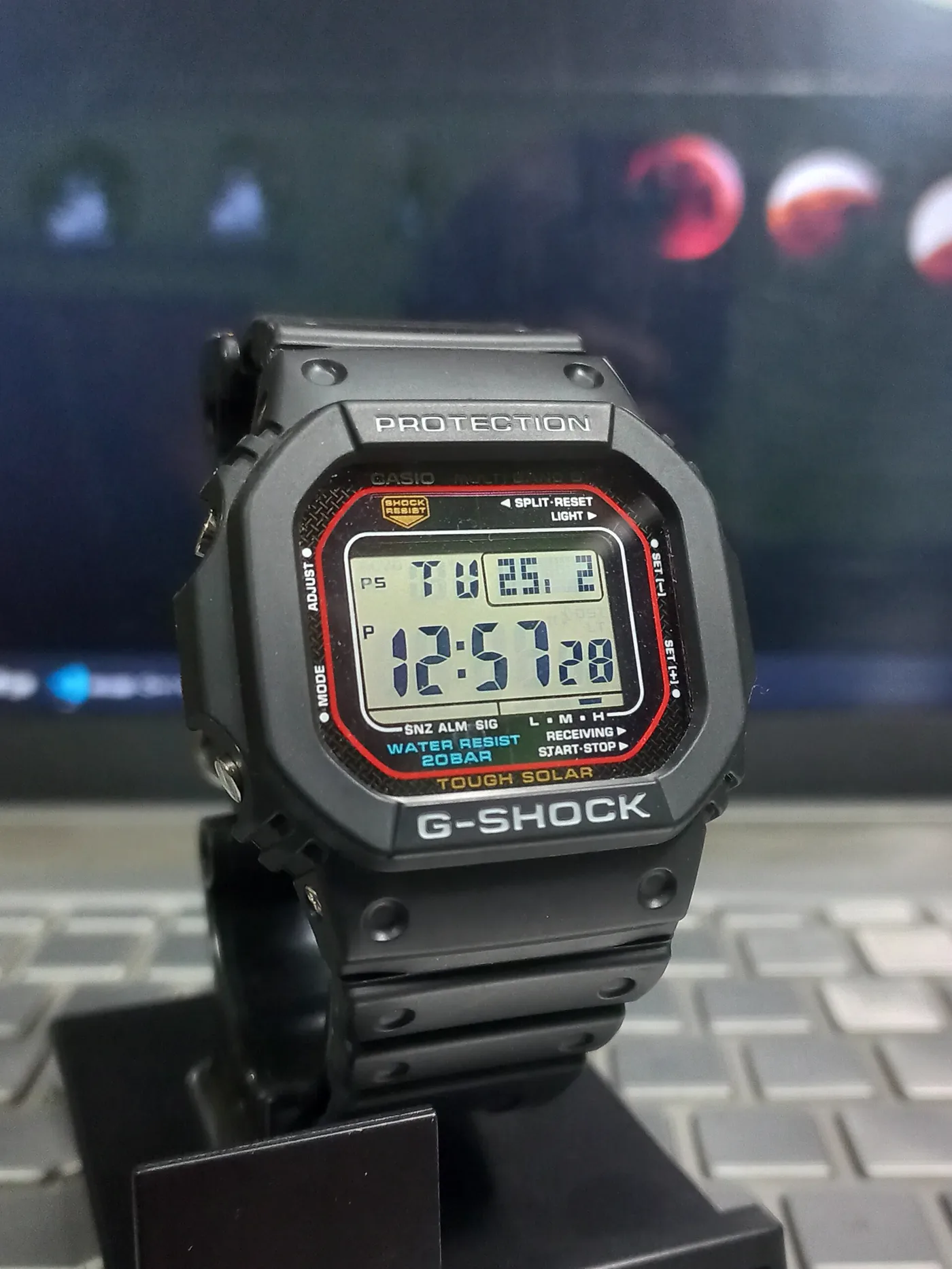
- Casio GW-M5610U: 43.2mm wide, integrated resin case and band, no lug-to-lug figure published.
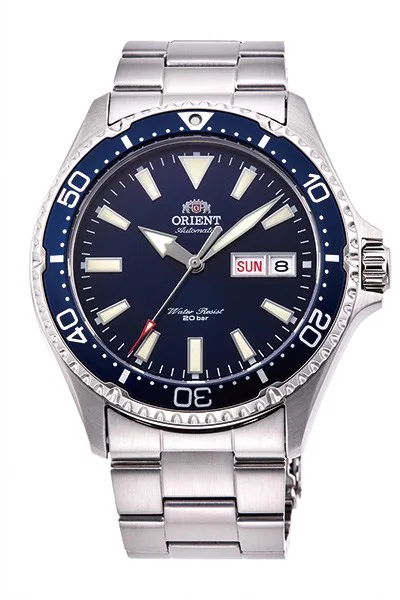
- Orient Kamasu: 41.8mm, 47.0mm lug to lug, 12.8mm thick.
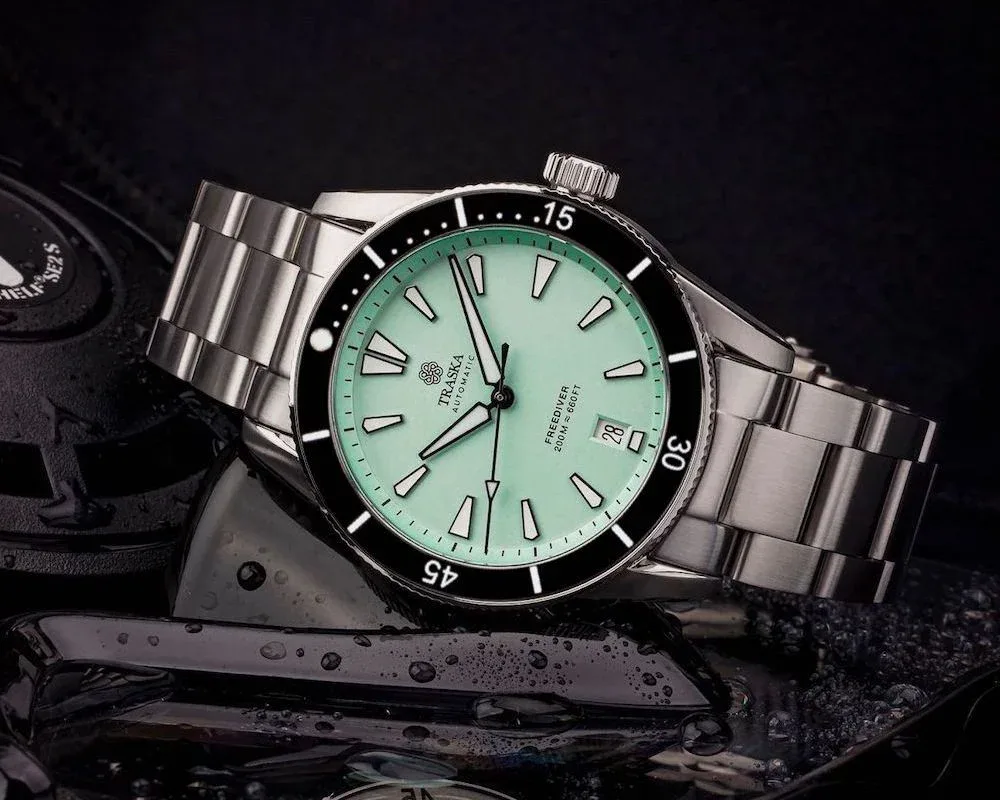
- Traska Freediver: 40.5mm, 48mm lug to lug, 11.9mm thick.
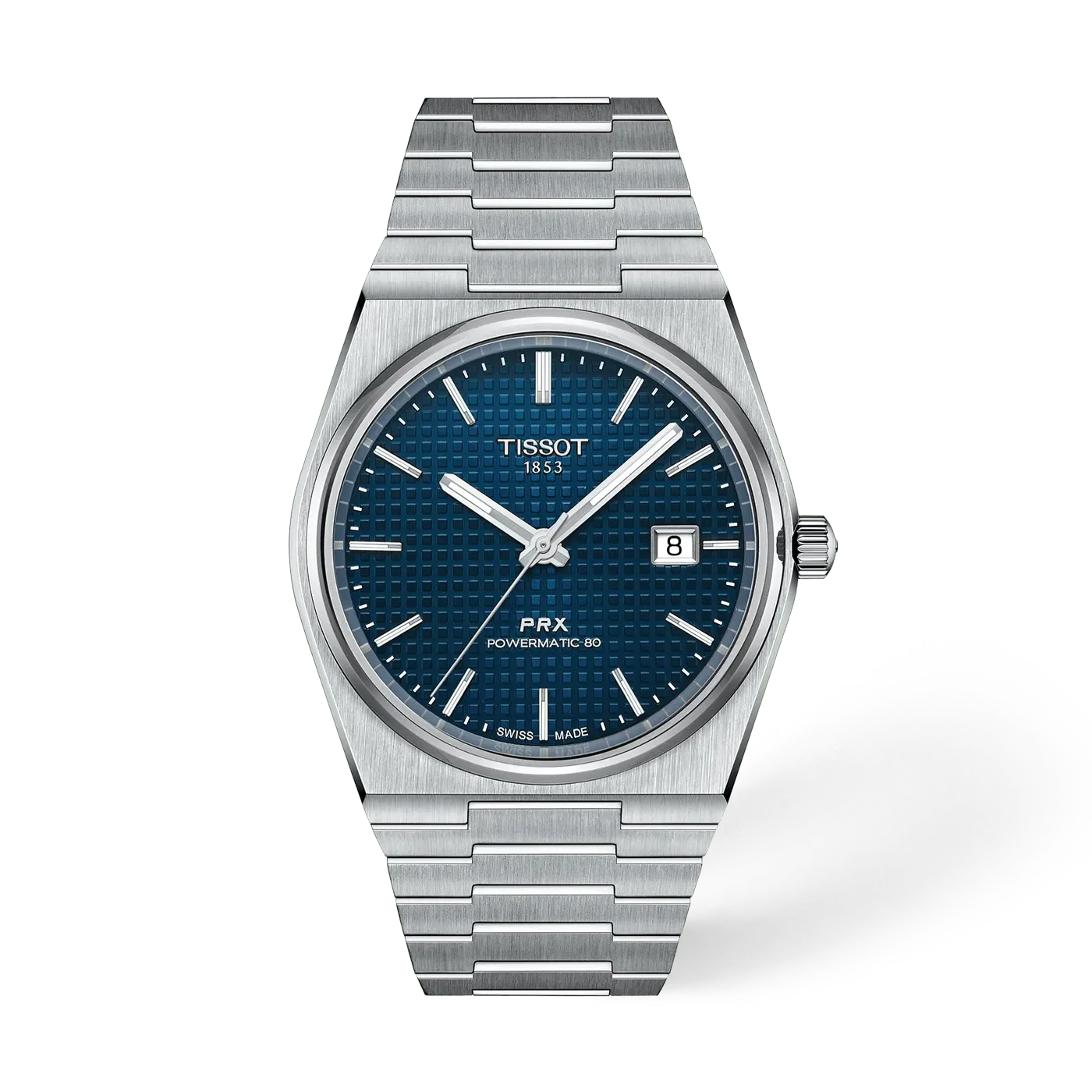
- Tissot PRX Powermatic 80: 40mm, 10.9mm thick, integrated, no lug-to-lug figure.
- Seiko 5 Sports SRPD55: 42.5mm, 46.0mm lug to lug, 13.4mm thick.
Read that list as a set of trade-offs rather than a ranking. The Traska is the smallest of the cased watches by diameter and the longest by lug span. The Seiko is the largest by diameter and the shortest of the three that publish a lug-to-lug figure. If your wrist is narrow, the lug-to-lug number matters more than the diameter, and the integrated watches, the Casio and the Tissot, hide that number because there are no separate lugs to measure. Hold them against your wrist in a shop, or check the maker’s own page, before you buy.
Thickness decides what sleeve it fits under
Thickness is the number that decides whether a watch disappears under a cuff, and it is the number the inventory most often leaves blank. Of our five, the Tissot at 10.9mm is the slimmest we can state. The Traska comes next at 11.9mm, measured with the box sapphire dome included. The Orient is 12.8mm and the Seiko is 13.4mm. For the Casio, the inventory does not hold a verified thickness, so we will not guess; Casio’s own page is the place to look.
A millimetre of thickness is not a verdict on its own. It is a reason to try the watch on with the shirt you actually wear. A person who works in short sleeves will never think about it. A person in a jacket every day will think about it constantly.
Reading the water rating
All five carry a printed rating of 100m or 200m. We are reporting those numbers as printed and nothing more. The ratings are: Casio 200m, Orient 200m, Traska 200m, Tissot 100m and Seiko 100m. They are the makers’ printed figures, and this guide is not going to tell you what to do with them. If you plan to wear a watch in water, read the maker’s own care instructions for that reference.
Winding, reserve and the Monday problem
The mechanical picks differ most in what they ask of you. The Seiko lists a 41 hour reserve, the Orient approximately 40, the Traska 42, and the Tissot 80. The Casio runs on light, with months of running from a full charge and no winding at all.
Why does that matter for an everyday watch? Because the failure mode of an automatic is the weekend. If you wear the watch every day, a reserve of 40 hours is perfectly workable, since it never runs down while you are wearing it. If you rotate it with other watches, or leave it on the desk Friday to Monday, a 40-hour reserve is likely to leave you with a stopped watch and a reset to do. The Tissot’s 80 hours is the one number in this guide that is a direct answer to that problem. Three of the four automatics also hack and hand-wind, per their published specs, which lets you set the time precisely and wake a stopped watch before you wear it. The Tissot’s entry in our inventory does not list either feature, so we say nothing about them.
The bracelet is half the watch
For a watch you wear all day, the bracelet and clasp are not accessories; they are the contact surface. Here the picks diverge more than the case numbers would suggest.
The Traska offers the fullest description on paper: a taper from 20mm to 16mm, solid end links, six micro-adjust positions and quick-release spring bars. The Orient has a foldover clasp with a safety catch. The Seiko has a three-fold clasp with a secure lock and a push-button release. The Tissot has a butterfly clasp with push-buttons and, by its own spec, no micro-adjust. The Casio has a resin band, which is as simple as a band gets.
Notice that the integrated Tissot gives you the least flexibility. Where the other cased watches have a lug width you can fit a strap to (20mm on the Traska, 22mm on the Orient and Seiko), the integrated bracelet is the only bracelet you will wear. That is a fair trade for a slim, clean profile. It is not a trade to make without knowing you are making it.
How to read the gaps
A recurring feature of this inventory is the line that says a figure was not published. We use that line deliberately. An absent number is information. It does not mean the watch is bad. It means that if the missing number matters to you, you need to find it yourself before you spend money, because we will not invent it on the maker’s behalf.
For this category the gaps worth chasing are these. The Casio has no verified thickness or lug-to-lug figure. The Orient, Traska and Seiko publish lug-to-lug figures, and the Tissot gives none because it has no separate lugs. None of this is disqualifying. All of it is worth a minute on the maker’s page.
What to skip, and why
Skip the Traska if you will not pay above $685 for a watch you may take off only at night. The Orient does most of what it does for about half the money, though it will not match the bracelet finish.
Skip the Tissot if you dislike the idea of a bracelet you can never change, or if your weekday life includes a lot of water you would rather not think about. Its 100m rating is the printed figure and we will leave it there.
Skip the Seiko if you are short on wrist or sleeve room. At 13.4mm it is the thickest on the list, and the mineral crystal is the plainest on the sheet. It earns its rank on completeness and price, not on flair.
Skip the Casio if your week involves a dress code that rules out resin and digital faces. It is the strongest argument on this list for a watch that does the job and goes unremarked, and it only works if you are willing to wear it everywhere.
A word on ranking
The order of the five follows the hypescore first and the practical argument second. The Casio leads at 88. The Orient and the Traska tie at 86, and we put the Orient ahead because it costs about half as much and delivers a sapphire crystal and a published lug-to-lug figure for it. The Tissot follows at 84 and the Seiko at 80. A lower score is not a warning label. The Seiko is a perfectly good everyday watch; the others simply make a stronger case in the specific job of daily wear.
If you only remember one thing from this guide, make it this: the everyday watch is chosen by the small numbers. Thickness, lug span, reserve, clasp and crystal decide how you will feel about the watch in month six, and none of them show up in a headline. The picks above are the ones where we could read those numbers, and where the numbers held up.
This guide launches with five picks and grows to eight. Five watches we can cite line by line beat eight we cannot.